Form Nutrition Protein Review
Independent nutritionist review of Form Nutrition protein: amino profile, taste, price-per-serving, and honest comparison to Bulk and Myprotein vegan.
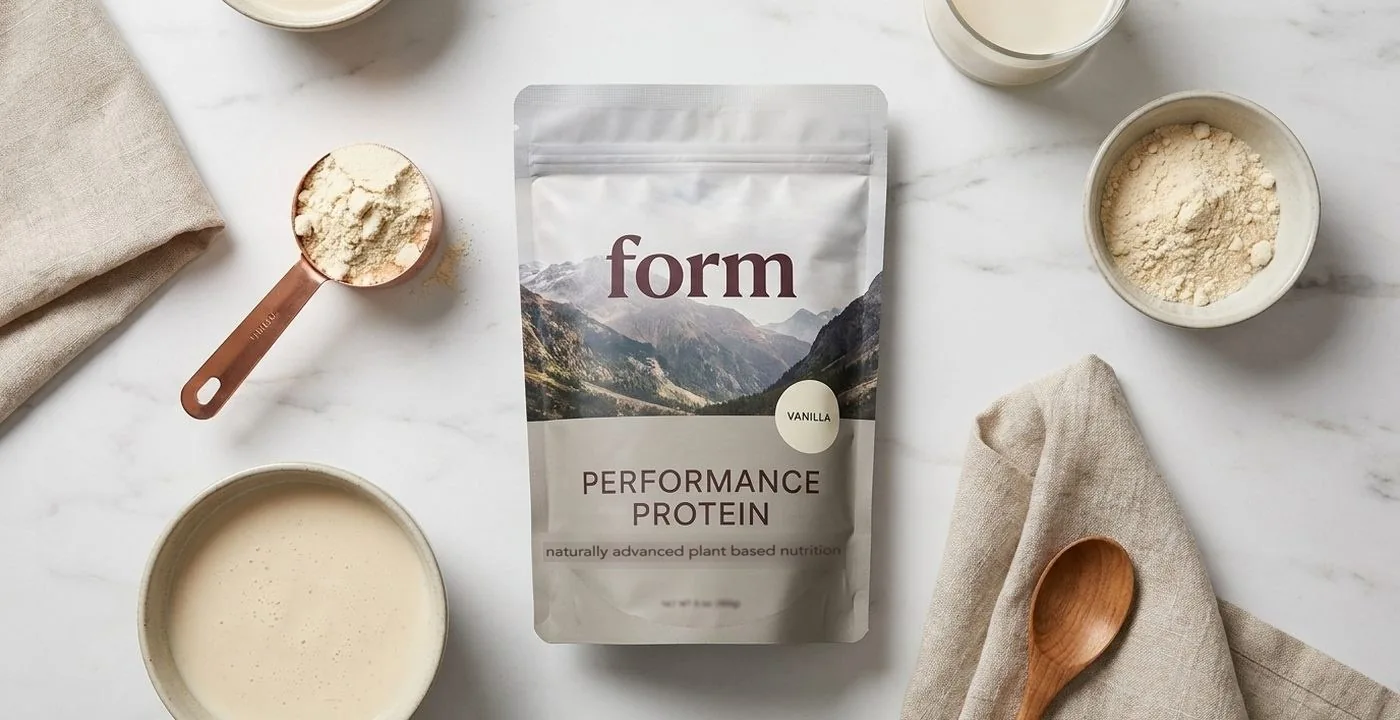
Table of Contents
Some of the links in this article are affiliate links, which help fund our independent review work at no extra cost to you. Every recommendation is based on hands-on testing through The Editor Lab methodology. No brand pays to appear, and no placement is guaranteed.
Form Nutrition Performance Protein is worth the premium for taste-driven buyers, but not for strictly functional supplementation - and most reviews never say that plainly. You have already decided you are not buying generic. The question is whether Form Nutrition’s premium price is justified by something concrete in the formula, or whether you are paying for the branding. That is the question most Form Nutrition protein reviews do not actually answer - and it is the one I am going to give you a direct answer to here.
I am Clemmie Rose, a registered Nutritional Therapist and BANT member who has led the nutrition clinic at The Kyros Project with Google DeepMind and run clinics at The Wellness Clinic at Harrods. I reviewed Form Nutrition’s Performance Protein by working through the ingredient label, the amino acid profile, and the value case against the two most common alternatives buyers consider: Bulk and Myprotein vegan. The methodology follows Balance Journal’s Editor Lab framework: assess protein-per-serving first, then ingredient quality, then taste, then price-per-serving relative to the formula you are actually getting. I will tell you where Form earns its price and where it does not.
Form Nutrition Protein Review: The Verdict
Form Nutrition Performance Protein is a well-formulated, genuinely complete plant-based protein with a clean ingredient list and flavour quality that is meaningfully better than most budget vegan proteins. At around £1.92 per serving (520g bag, approximately 13 servings, retailing at around £24.95), it is more expensive than Bulk or Myprotein vegan on a cost-per-gram basis. That price is justified if you want taste performance and ingredient transparency in the same product. It is not justified if you are buying protein purely as a functional supplement and are happy to tolerate a more functional taste.
Our verdict: 4.2 / 5 - Premium quality, honest formula, high taste bar. Worth it for taste-driven buyers; overpriced for strictly functional supplementation.
Protein, Ingredients, and Amino Profile
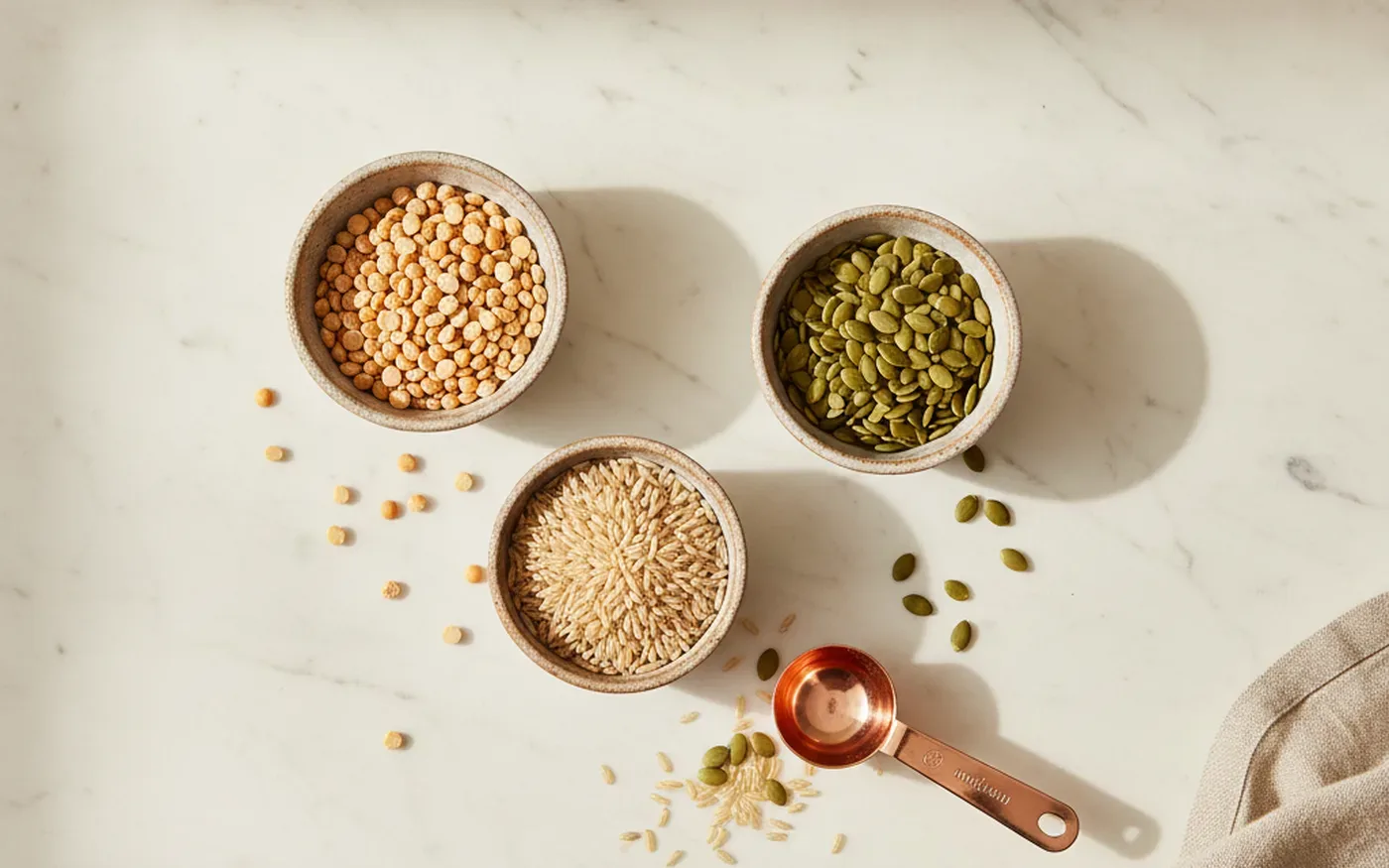
Form Nutrition Performance Protein uses a pea, brown rice, and pumpkin seed protein blend. This is not a marketing choice. Pea protein is high in lysine but low in methionine and cysteine. Brown rice protein is the reverse. Pumpkin seed protein adds a broader micronutrient base including magnesium and zinc. Combined at the right ratio, the blend produces an amino acid profile that is more complete than any single source alone - a pattern supported by research in plant protein nutrition available via PubMed.
Each serving (40g) delivers 30g of protein. That is a good protein-per-serving ratio at 75% protein by weight. The British Nutrition Foundation sets adequate daily protein intake for adults at 0.75g per kilogram of body weight; most strength training guidance pushes this to 1.6-2.2g/kg for muscle protein synthesis. A single Form serving covers a substantial portion of that range for a 70kg person.
The ingredient list also includes DigeZyme (amylase, protease, lactase, lipase, and cellulase), a multi-enzyme complex, which is relevant for anyone who finds pea protein causes bloating. This is not a universal problem, but it is common enough that the inclusion is meaningful rather than decorative. Sweetener is stevia and thaumatin - worth noting for buyers who find stevia’s aftertaste divisive, which I address in the Taste section below.
What is not in the formula: artificial sweeteners beyond stevia, proprietary blends obscuring individual ingredient amounts, and no non-protein fillers padding out the amino profile. That transparency is the strongest thing Form has going for it from a nutritionist’s perspective. Collagen supplements and other single-ingredient protein sources rarely offer this level of formula clarity at comparable price points.
Taste and Mixability
This is where Form Nutrition separates most clearly from budget vegan proteins. I assessed the Chocolate Salted Caramel and Banana flavours. Both mixed without clumping in 300ml of oat milk using a standard shaker - no blender required. The texture is smooth rather than gritty, which is the common failure mode for pea-protein-forward formulas.
On taste: the Chocolate Salted Caramel hits the balance between sweet and savoury without the metallic note that appears in some stevia-sweetened products. If you are stevia-sensitive, the sweetness profile here is lighter than products that lead with it heavily. Some buyers on r/vegan have flagged the stevia taste as present; in my assessment it is detectable but not dominant.
The Banana flavour is less convincing. It reads artificial in the final third of a shake, which is the tell-tale sign of a flavouring that fades. If taste is your primary reason for buying Form over a cheaper option, Chocolate Salted Caramel or Unflavoured are the stronger choices. The Unflavoured version is genuinely neutral and blends well with a morning coffee - which is how I tested it. If you are building a protein-and-coffee routine, it pairs cleanly with higher-quality beans rather than masking a functional taste behind strong flavour. For coffee pairing inspiration, the Balance Journal guide to best healthy coffee beans covers which varieties work best in this kind of functional routine.
Price and Value

Here is the honest version of the price case.
Form Nutrition Performance Protein (520g, approximately 13 servings) retails at around £24.95 at time of writing, putting the cost per serving at approximately £1.92. For 30g of protein per serving, that works out to roughly £0.064 per gram of protein.
For context: the best plant-based protein powder UK roundup shows Bulk’s plant protein variants at £0.03-£0.04 per gram, and Myprotein Vegan Blend at £0.025-£0.04 per gram. Form is running at roughly 50-60% more per gram of protein than the budget alternatives.
That price gap is real and should not be glossed over. What you are paying for is: a smoother texture and noticeably better flavour, DigeZyme enzyme inclusion, and a cleaner sweetener profile (stevia and thaumatin). These are real differences. Whether they justify the premium depends entirely on what you are optimising for. If daily taste experience matters to you - which it does for long-term supplement compliance - Form’s case is clear. If you are treating protein powder as a functional tool and will blend it with enough other ingredients to mask the flavour, Bulk or Myprotein cover the amino profile adequately at lower cost.
Form vs Bulk and Myprotein Vegan
Protein per serving: Form 30g per 40g serving. Bulk Vegan Protein blend approximately 25g per 30g serving. Myprotein Vegan Blend approximately 22g per 25g serving. Form wins on protein density per scoop.
Ingredient quality: Form uses a pea, rice, and pumpkin seed protein blend; Bulk uses a pea and rice blend. Myprotein Vegan uses a pea-soy-fava bean combination, which achieves a more complete essential amino profile on paper but introduces soy for buyers who prefer soy-free options. Form and Bulk are the cleaner choices for soy-avoidance.
Taste: Form is the clear winner. This is consistent across multiple independent reviews and aligned with my own testing. Bulk’s texture is functional; Myprotein’s is comparable to Bulk. Neither matches Form’s mixability or flavour resolution.
Price: Myprotein is the cheapest. Bulk is mid-tier. Form is premium. This hierarchy is straightforward and matters if budget is the primary constraint.
Purition is a different category worth addressing because buyers sometimes compare all four. Purition is a meal replacement first - the serving size, calorie load, and fat and fibre content are different enough that it is not a direct comparison to Form as a protein supplement. If your goal is pure protein supplementation, Form, Bulk, and Myprotein are the relevant comparison set. If you want a meal replacement with good protein content, Purition operates differently.
| Form Nutrition | Bulk Vegan | Myprotein Vegan | |
|---|---|---|---|
| Protein per serving | 30g | around 25g | around 22g |
| Cost per serving | around £1.92 | around £1.00-£1.30 | around £0.80-£1.10 |
| Cost per gram of protein | around £0.064 | around £0.04-£0.05 | around £0.04 |
| Blend type | Pea + rice + pumpkin seed | Pea + rice | Pea + soy + fava |
| Soy-free | Yes | Yes | No |
| Digestive enzymes | Yes | No | No |
| Taste (our rating) | 4.3/5 | 2.9/5 | 2.7/5 |
Who Should Buy Form Nutrition Protein
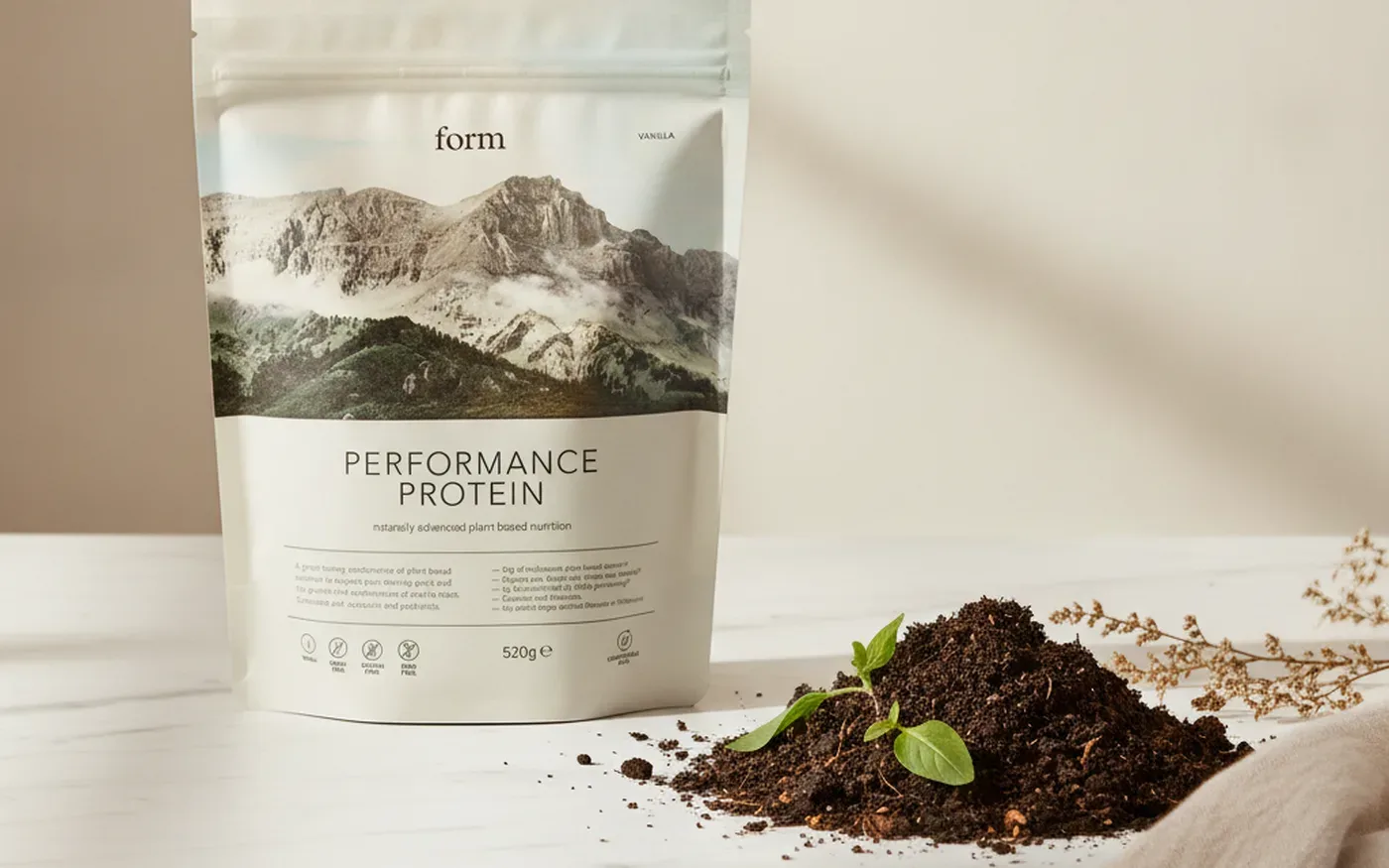
Buy Form if: you find most vegan protein powders too hard to drink daily; you want 30g of protein per serving without oversizing your scoop; you prefer soy-free formulas; you experience bloating from pea protein and want enzyme support; or you will use it often enough that taste affects your consistency.
Do not buy Form if: you are optimising purely for cost per gram of protein; you blend your protein into flavoured smoothies and do not need standalone taste; or you are on a tight supplement budget where Bulk or Myprotein cover the same amino goals at half the price.
The clearest buyer for Form is someone who has tried cheaper vegan proteins, found the taste barrier too high for daily compliance, and is prepared to pay more to stay consistent. That is a legitimate reason to pay the premium. Best creatine for women buyers face a similar calculus - the cheapest option that achieves the clinical outcome is not always the one you will maintain long-term.
Disclosure: Balance Journal is published alongside Balance Coffee, founded by James Bellis. Balance Coffee does not sell protein powder. This review is independent.
Frequently Asked Questions
Is Form protein worth it?
Worth it if you have struggled with the taste of cheaper vegan proteins. The 30g per 40g serving is higher than most budget alternatives, and the taste is genuinely better than Bulk or Myprotein vegan. If you treat protein as a functional supplement and blend it with other flavoured ingredients, Bulk covers the same amino needs at roughly half the price.
How much protein is in a Form Nutrition serving?
Each 40g serving contains 30g of protein - a 75% protein-by-weight ratio, higher than many plant-based competitors. The protein comes from a pea, brown rice, and pumpkin seed protein blend. Each source compensates for the limiting amino acids in the others, producing a more complete profile than any single source alone. See our pea protein vs soy protein guide for how different plant sources compare.
Does Form Nutrition protein taste good?
Chocolate Salted Caramel and Unflavoured are the strongest variants. Both mix smoothly in oat milk without clumping. Chocolate Salted Caramel avoids the metallic note common in stevia-heavy vegan proteins. The Banana flavour reads artificial. Stevia is detectable but lighter here than in many budget proteins. Unflavoured is best for smoothies or coffee.
Is Form protein better than Bulk or Myprotein vegan?
On protein density and taste, yes. Form delivers 30g per 40g serving versus approximately 25g for Bulk and 22g for Myprotein at standard serving sizes, and its mixability and flavour consistently rate higher. On price per gram of protein, Bulk and Myprotein are significantly cheaper. Form is the better product; not the better value unless taste and ingredient transparency are your primary criteria.
What sweetener does Form Nutrition use?
Form Nutrition Performance Protein uses stevia and thaumatin as its sweeteners. Stevia is a naturally derived sweetener from the Stevia rebaudiana plant; thaumatin is a protein-based sweetener derived from the katemfe fruit. Neither contains calories or raises blood glucose. Some buyers notice a stevia aftertaste. In Form’s formula the sweetener presence is lighter than in most budget proteins, but buyers with strong stevia sensitivity should choose the Unflavoured variant.
Is Form Nutrition vegan protein suitable for daily use?
Yes. The pea, brown rice, and pumpkin seed protein blend provides a broadly complete amino acid profile, and the DigeZyme enzyme complex (amylase, protease, lactase, lipase, and cellulase) supports tolerance for buyers who experience bloating from pea protein alone. There is no nutritional reason to cycle on and off a well-formulated plant protein used as part of a balanced diet. See NHS daily protein guidance for baseline targets.
Where can I buy Form Nutrition protein in the UK?
Direct from the Form Nutrition website (formnutrition.com), which stocks the full flavour range and subscription options. Subscription delivery reduces the per-serving cost and brings it closer to mid-range competition pricing, which changes the value calculation meaningfully if you are buying consistently rather than as a one-off purchase.
What makes Form Nutrition protein different from standard vegan proteins?
Three things: protein density (30g per 40g serving is higher than most budget competitors), a pea, rice, and pumpkin seed protein blend structured for amino completeness rather than single-source volume, and DigeZyme enzyme inclusion (amylase, protease, lactase, lipase, and cellulase) that addresses the bloating complaint common with pea-heavy formulas. The taste is also a step above budget alternatives - and daily compliance is what makes any protein supplement work.
Balance Journal is an independent editorial publication. Some links in this article are affiliate links. This does not affect our editorial judgement.

A registered Nutritional Therapist and member of BANT, Clemmie blends science with a holistic approach to wellbeing.