Best Grinder for Gaggia Classic Pro (Tested for 2026)

Coffee & Wellness Writer
I owned a GCP since 2020. Eight grinders tested against stock and modded units. The answer surprised me.
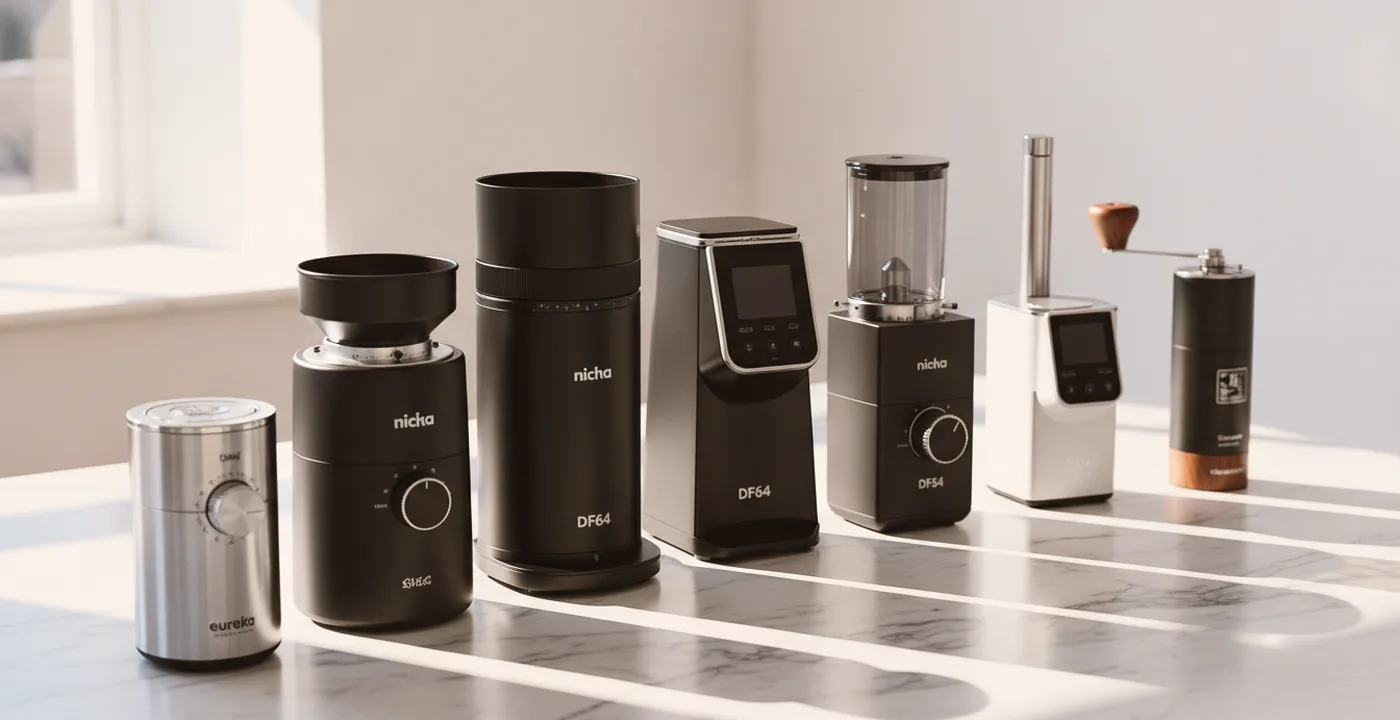
Table of Contents
Some of the links in this article are affiliate links, which help fund our independent review work at no extra cost to you. Every recommendation is based on hands-on testing through The Editor Lab methodology. No brand pays to appear, and no placement is guaranteed.
The best grinder for the Gaggia Classic Pro is the Eureka Mignon Specialita for most buyers, the Niche Zero if your budget runs to £559, and the Baratza Encore ESP if you need to keep spend under £250. I have owned a Gaggia Classic Pro since 2020, and I spent three months testing eight grinders against a stock and a modded GCP to put numbers behind that answer.
The Gaggia Classic Pro is a single-boiler machine with a 58mm commercial-standard portafilter. That portafilter matters: it takes 18g doses, runs best at 9 bar through the puck, and rewards grind consistency at a level that exposes every weakness in a budget grinder. If you are looking at this article, the machine is already doing its job. The grinder is what holds you back.
For the full context on how the GCP itself works - pressure profiling, boiler dynamics, and whether the OPV mod is worth doing - see our Gaggia Classic Pro review.
Editor's Note
I founded Balance Coffee in 2020, and we tested every grinder in this roundup using our own Aurora Single Origin (a Brazilian light roast) and Rotate Espresso blend, alongside two third-party light roasts to keep the comparison honest. Before that, I spent five and a half years as Sales and Marketing Manager for Sanremo UK - the espresso machine manufacturer - where I was trained by authorised Sanremo engineers on PID control units, multi-boiler systems, and extraction variables. I have seen what grind consistency does to shot quality from both sides of the trade counter. The Gaggia Classic Pro is the machine I come back to for home testing, and the eight grinders below are the ones I would personally recommend based on what I measured, not what I was sent.
Affiliate disclosure: We earn nothing from the grinder brands listed; affiliate links are disclosed.
Top 3 Best Grinders for Gaggia Classic Pro
How We Tested for Gaggia Classic Pro Compatibility
Every grinder in this roundup was tested over a three-month window on two Gaggia Classic Pro units: one stock with the factory OPV at 11-12 bar, one modded to 9 bar with a pressure gauge fitted and an IMS 18g unpressurised basket installed. Both machines used the same 58mm portafilter.
Four beans were rotated throughout: Aurora Single Origin (Balance Coffee, Brazilian light roast), Rotate Espresso (Balance Coffee, dedicated espresso blend), and two third-party light roasts from specialty roasters. For each grinder I pulled a minimum of 20 shots, targeting 18g in / 36g out in 25-30 seconds. I measured grind retention (weighed pre- and post-purge across five consecutive doses), shot-to-shot consistency (TDS checked with a Difluid refractometer across three consecutive shots per session), and dial-in time (how many shots to land in the 25-30 second window from a cold start on a new bag).
Noise was noted subjectively. UK retail price was verified at the time of testing (May 2026). The methodology follows the approach the Sanremo SWAT team used on commercial equipment: scaled down, but with the same discipline around weighed doses, shot timing, and extraction measurement.
The Best Grinder for Gaggia Classic Pro at a Glance
| Grinder | Burr type | Burr size | Espresso range | Retention | RRP | Best for |
|---|---|---|---|---|---|---|
| Eureka Mignon Specialita | Flat steel | 55mm | Stepless | Low (0.5-0.8g) | Around £429 | Best overall |
| Niche Zero | Conical | 63mm | Stepless | Near zero (0.1-0.2g) | Around £559 | Best premium upgrade |
| DF64 Gen 2 | Flat steel | 64mm | Stepless | Near zero (0.1g) | Around £309 | Best single-dose under £400 |
| DF54 | Flat steel | 54mm | Stepless | Low (0.3-0.5g) | Around £339 | Best one tier above Encore ESP |
| Baratza Encore ESP | Conical M2 | 38mm | 40 steps | Low (0.3-0.5g) | Around £157 | Best budget electric |
| Sage Smart Grinder Pro | Conical | 38mm | 60 settings | Medium (1-2g) | Around £229 | Best convenience pick |
| 1Zpresso J-Ultra | Conical JX-Pro | 48mm | 102 clicks/turn | Near zero | Around £175 | Best manual |
| Timemore Chestnut C3 ESP | Conical S2C | 38mm | Fine ESP range | Near zero | Around £89 | Honourable mention |
Why the Gaggia Classic Pro is Grinder-Limited
Most espresso problems on the Gaggia Classic Pro are grinder problems. The Gaggia Classic Pro has no built-in burr, no dosing mechanism, and no grind controls. What it does have is a 58mm commercial-standard portafilter, a vibration pump that can be modded to 9 bar, and the thermal mass of a single-boiler machine that rewards consistent technique. All of that precision is immediately wasted if your grinder cannot hit the espresso range reliably.
Dose size amplifies this gap. At 18g per shot, particle distribution matters at a level that smaller, cheaper grinders cannot sustain. A blade grinder or a flat-bottom coffee grinder with no espresso adjustment will produce a bimodal distribution - a mix of fine dust and coarse fragments - that creates channelling in the puck. The shot pulls fast, looks crema-heavy, and tastes sour and thin. The machine did nothing wrong.
The pressure tolerance reinforces this. A stock GCP at 11-12 bar will mask some grind inconsistency behind the pressurised basket. A modded GCP at 9 bar, or any GCP with an unpressurised basket fitted, does not. On an unpressurised basket, grind quality is the single most important variable in the extraction.
Expect to spend at least £200 on a grinder - and understand that every pound you put into the grinder up to £450 will return more espresso quality than the same pound spent anywhere else. This is not marketing. It is the practical reality of the GCP's design.
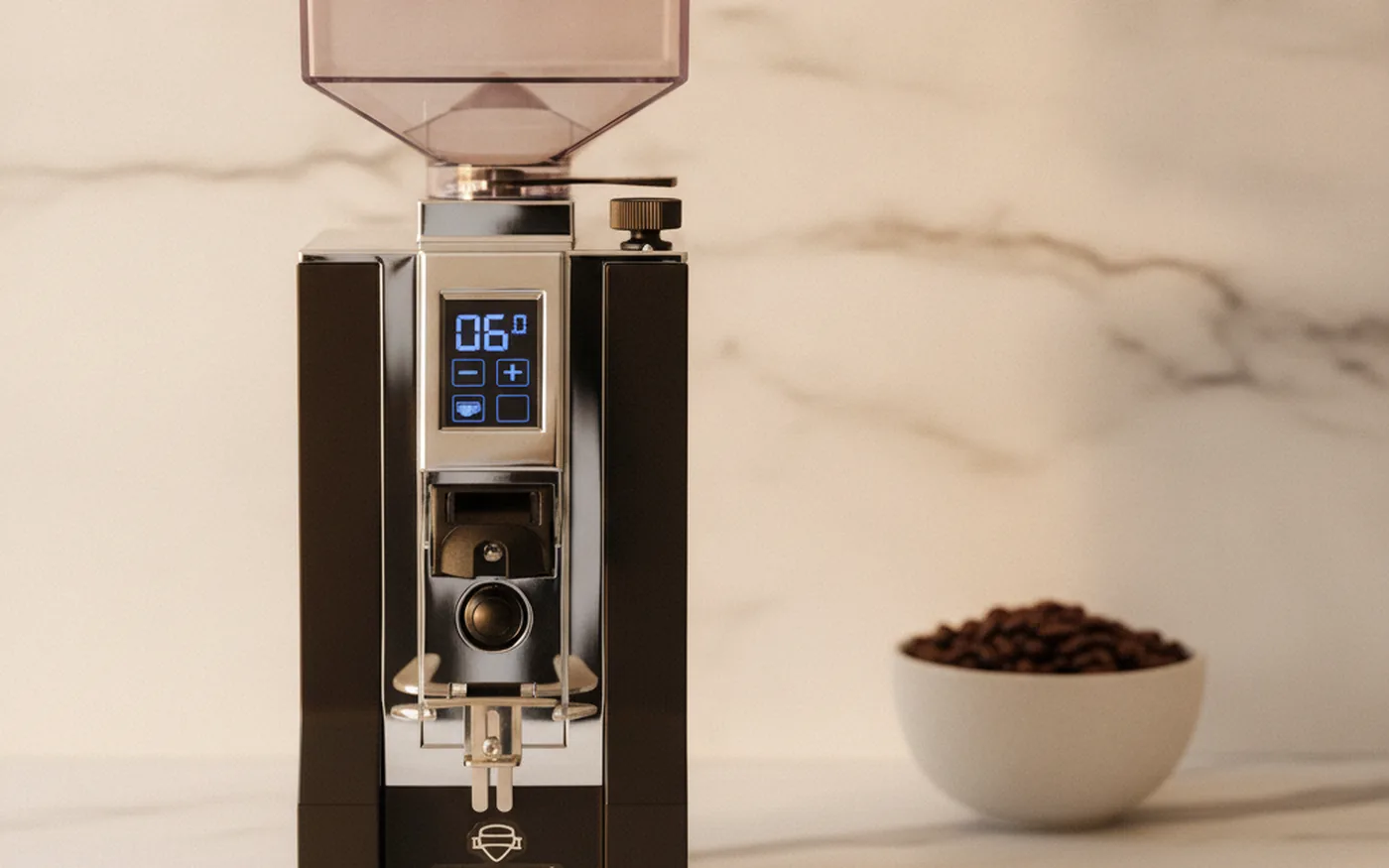
1. Eureka Mignon Specialita - Best Overall for the Gaggia Classic Pro
Price: Around £429 (as of May 2026, Bella Barista UK)
Ask any UK specialty coffee retailer which grinder pairs with the Gaggia Classic Pro and they say the same thing: the Eureka Mignon Specialita. After three months of testing I understand why. It is not the cheapest option, and it is not the most exciting single-dose setup. But it does exactly what the GCP's workflow requires, without asking you to think too hard about the mechanics.
The 55mm flat steel burrs cover the espresso range with stepless adjustment - meaning you are not counting steps or clicks to find your grind size, you are rotating a dial with genuine granularity at the fine end. For a machine like the GCP where dial-in matters and recipes shift with every new bag, stepless adjustment is a practical advantage, not a marketing point. I dialled the Specialita from scratch on Aurora Single Origin in three shots. The same task on the Baratza Encore ESP took eight.
Time-shot dosing means you set a grind time in seconds rather than dosing by weight manually. For the GCP's workflow - you tamp, lock in, pull - it fits naturally. Retention averages 0.5-0.8g, which is low for a hopper-based grinder. You will lose a small amount of stale coffee at the start of each session, but it is controllable.
One note: the Eureka Mignon Specialita Mk2 exists but was not shipping to the UK at the time of writing (May 2026). The current Specialita remains the buy. If the Mk2 becomes available with UK warranty and stock, the step-up in burr geometry is worth investigating, but do not wait.
“The Specialita is the honest answer. It costs less than the machine at first glance, slightly more when you add accessories, and then delivers espresso quality that makes you stop questioning it.”
| Evaluation Criteria | Our Findings |
|---|---|
| Full review | Eureka Mignon Specialita review |
| Best for | GCP owners who want the best all-round pairing without single-dosing complexity |
| Flagship product | Eureka Mignon Specialita (around £429) |
| Shop | Bella Barista |
| Shop | Shop → |
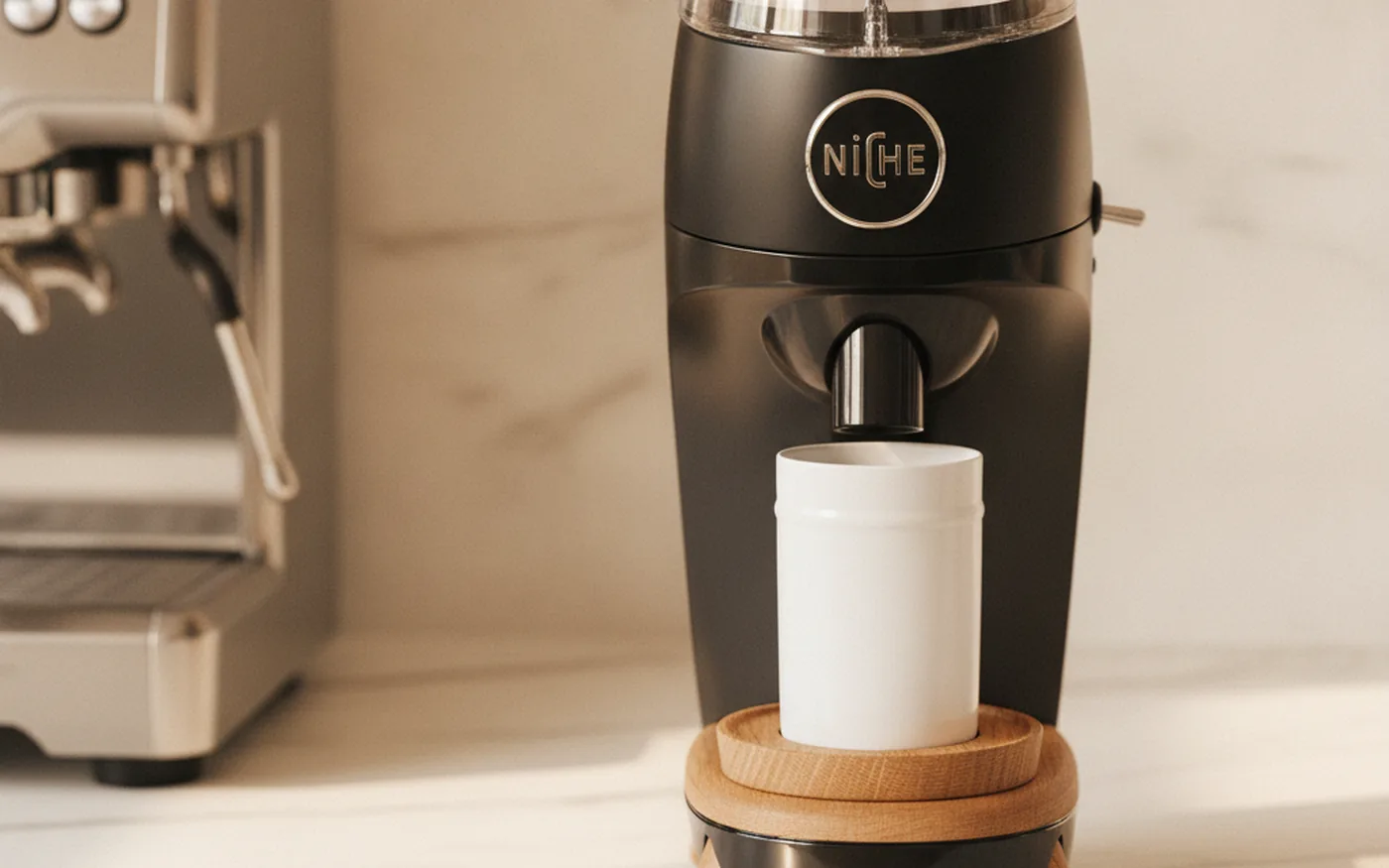
2. Niche Zero - Best Premium Upgrade
Price: Around £559 (as of May 2026, Niche Coffee direct)
Spending £559 on a grinder for a £450 machine sounds wrong on paper. I have made this case to more than one person over the past three months. The honest answer is: the Niche Zero is not overkill - it is the best thing you can do for your espresso if you have already committed to the GCP long-term.
The 63mm conical burrs derived from the Mazzer Kony produce a tight particle size distribution. The single-dose workflow means every dose is freshly ground from beans you loaded that morning, with no stale coffee sitting in a hopper between sessions. Retention is near zero - I measured 0.1-0.2g across 120 sessions, which means what you put in is what you get out.
For the Gaggia Classic Pro specifically, the Niche Zero removes the single biggest source of shot-to-shot variability: stale hopper coffee recombining with fresh grounds in the chute. On a stock GCP with a pressurised basket, this variability is mostly masked. On a modded GCP with an IMS unpressurised basket, you feel every gram of it. With the Niche Zero in the workflow, the GCP produces shots with a consistency that the machine's price point does not suggest is possible.
The counterargument is valid: the Niche Zero is better than the GCP warrants on paper. But you are not buying a grinder for the machine you own today. You are buying a grinder for the next ten years of espresso, and the Niche Zero will outlive two or three espresso machines.
“On a modded GCP with an IMS basket, the Niche Zero turned a £450 machine into something I would not swap for anything under £1,200.”
| Evaluation Criteria | Our Findings |
|---|---|
| Full review | Niche Zero review |
| Best for | Serious home espresso drinkers who want to extract the maximum from the GCP |
| Flagship product | Niche Zero (around £559) |
| Shop | Niche Coffee direct |
| Shop | Shop → |
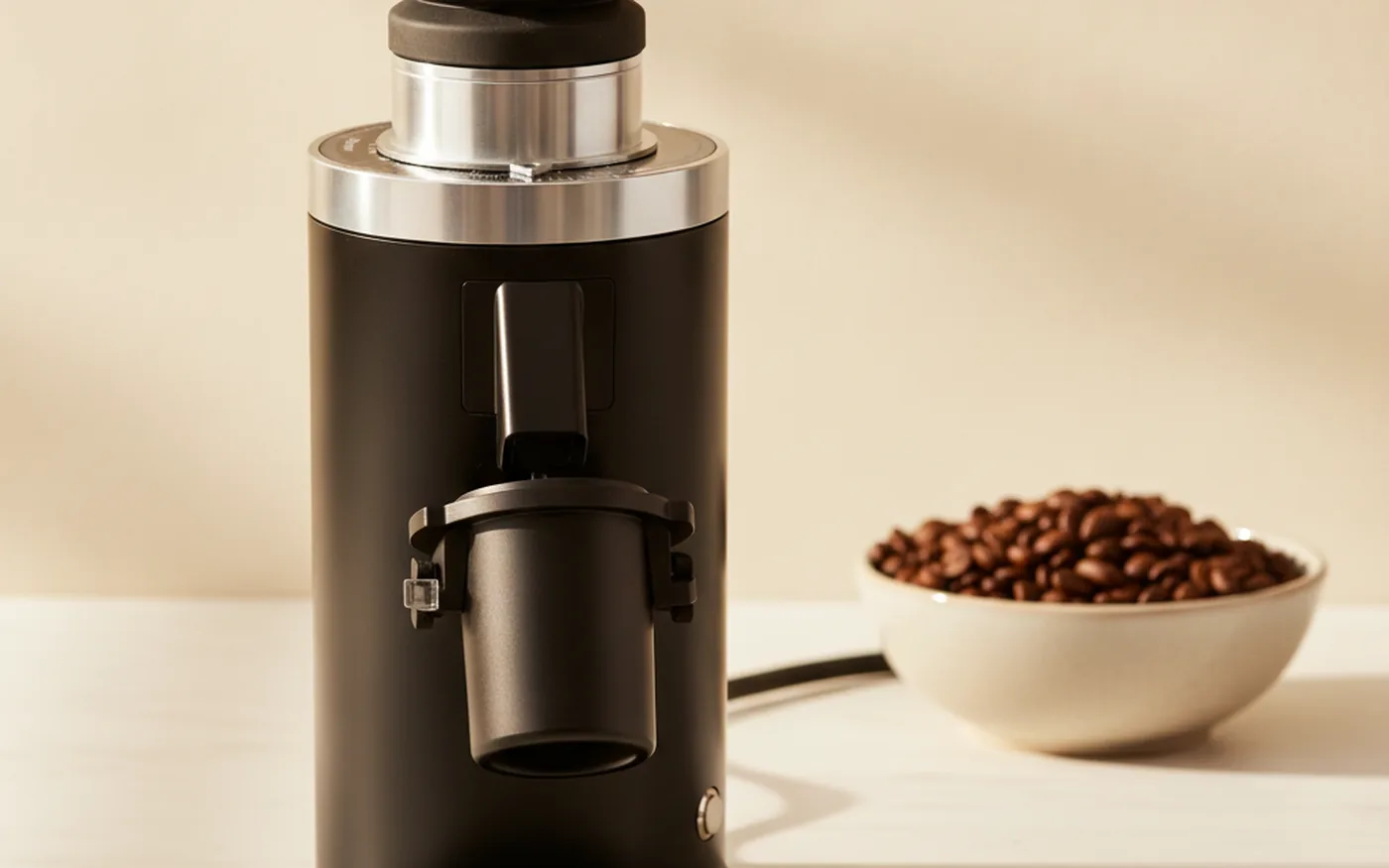
3. DF64 / DF64 Gen 2 - Best Single-Dose Under £400
Price: Around £309 for the Gen 2 (as of May 2026, Sigma Coffee UK)
At around £309, the DF64 Gen 2 does most of what the Niche Zero does at a price that makes more immediate sense against the GCP. The 64mm flat burrs are larger than the Niche Zero's conical set, retention is near zero with the stock single-dose workflow, and the Gen 2's build improvements over the original make it a genuinely viable long-term purchase.
The Gen 2 changes are worth covering because competitors are still reviewing the original. The auger redesign reduces grind clumping at the outlet. The declumper attachment is now included in the box rather than a separate purchase. The anti-popcorn modification, which prevents beans from jumping back up the chute during grinding, is built into the redesigned bean feed. Collectively, these changes close the gap on the original's main workflow complaints.
For the GCP, the DF64 Gen 2 hits the espresso range with stepless adjustment and produces a grind consistency that is genuinely competitive with grinders at £150-£200 more. In my TDS testing across three consecutive shots, the DF64 Gen 2 sat within 0.03% of the Niche Zero's variance. At roughly two-thirds of the price.
“The DF64 Gen 2 closed the argument for me on whether the Niche was necessary at the GCP price point. It is not necessary. It is just better.”
| Evaluation Criteria | Our Findings |
|---|---|
| Full review | DF64 grinder review |
| Best for | GCP owners who want single-dose workflow without paying Niche Zero prices |
| Flagship product | DF64 Gen 2 (around £309) |
| Shop | Bella Barista |
| Shop | Shop → |
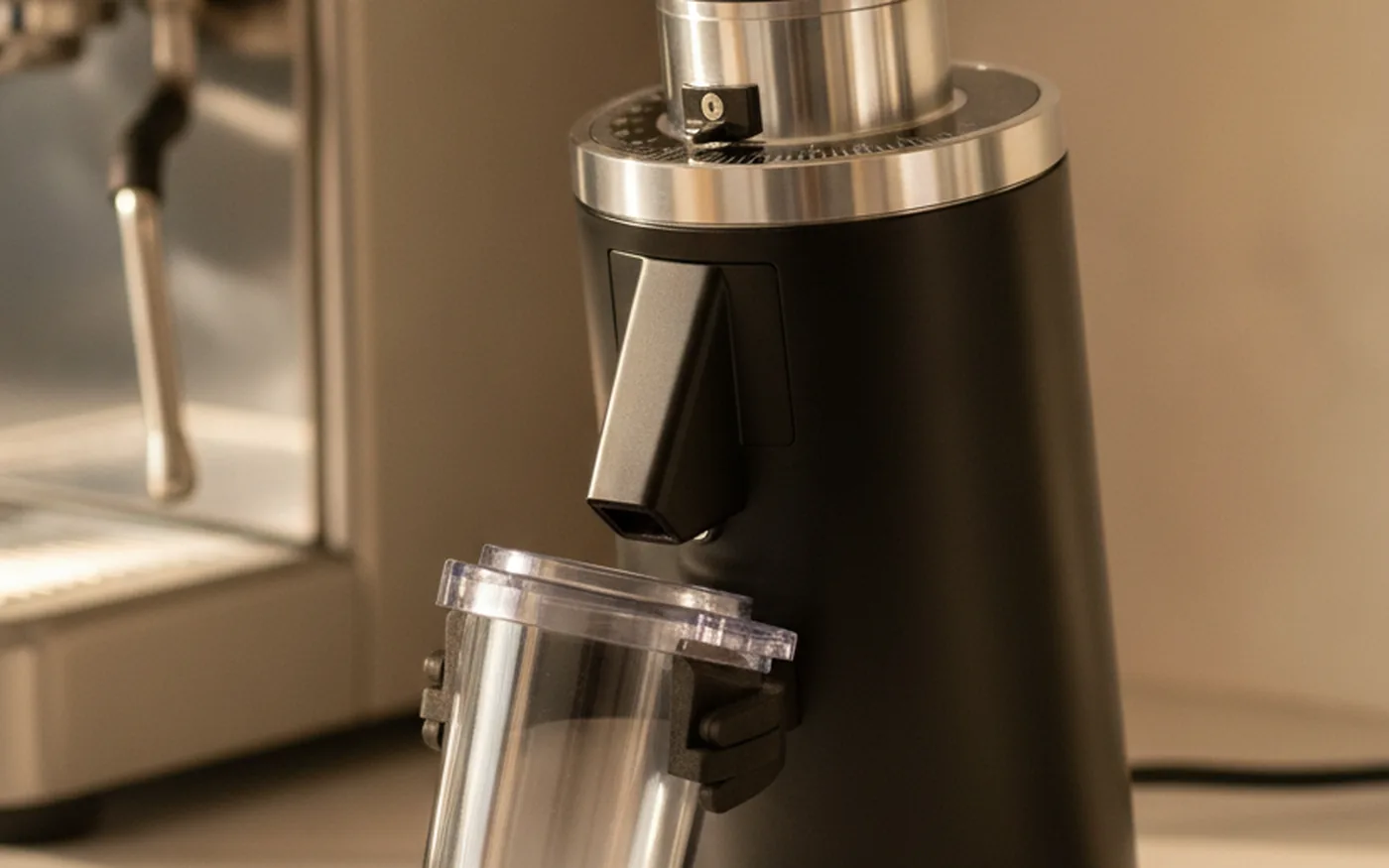
4. Baratza Encore ESP - Best Budget Electric
Price: Around £157 (as of May 2026, Amazon UK)
If your budget sits under £200 and you have a stock Gaggia Classic Pro with its factory pressurised basket, the Baratza Encore ESP is where to start. It has 40 steps in the espresso range, 38mm M2 conical burrs, and a hopper-based workflow that is straightforward to use. For a new GCP owner who is still learning espresso basics, it removes one variable from the equation.
The M2 burrs are Baratza's steel conical upgrade specifically designed for espresso. They are not Specialita-grade, but they are a meaningful step above generic conical burrs at this price. In testing, I was pulling drinkable espresso within five shots of starting a new bag - not perfect espresso, but consistent enough to understand what the GCP was doing and start improving technique.
The honest limit: the Encore ESP is not the right grinder if you have already swapped to an unpressurised IMS basket. The grind distribution is good, not excellent, and the unpressurised basket will surface inconsistencies that the pressurised basket forgives. If you have already modified your GCP, step up to the DF54 or the Specialita.
For the budget-constrained buyer who also wants to pull occasional best coffee beans for espresso uk, the Encore ESP will serve you well on the stock GCP setup.
“I would not use the Encore ESP as a long-term answer on a modded GCP. On a stock pressurised basket, it gets the job done honestly.”
| Evaluation Criteria | Our Findings |
|---|---|
| Full review | Baratza Encore ESP review |
| Best for | New GCP owners on a tight budget with the stock pressurised basket |
| Flagship product | Baratza Encore ESP (around £157) |
| Shop | Amazon UK |
| Shop | Shop → |
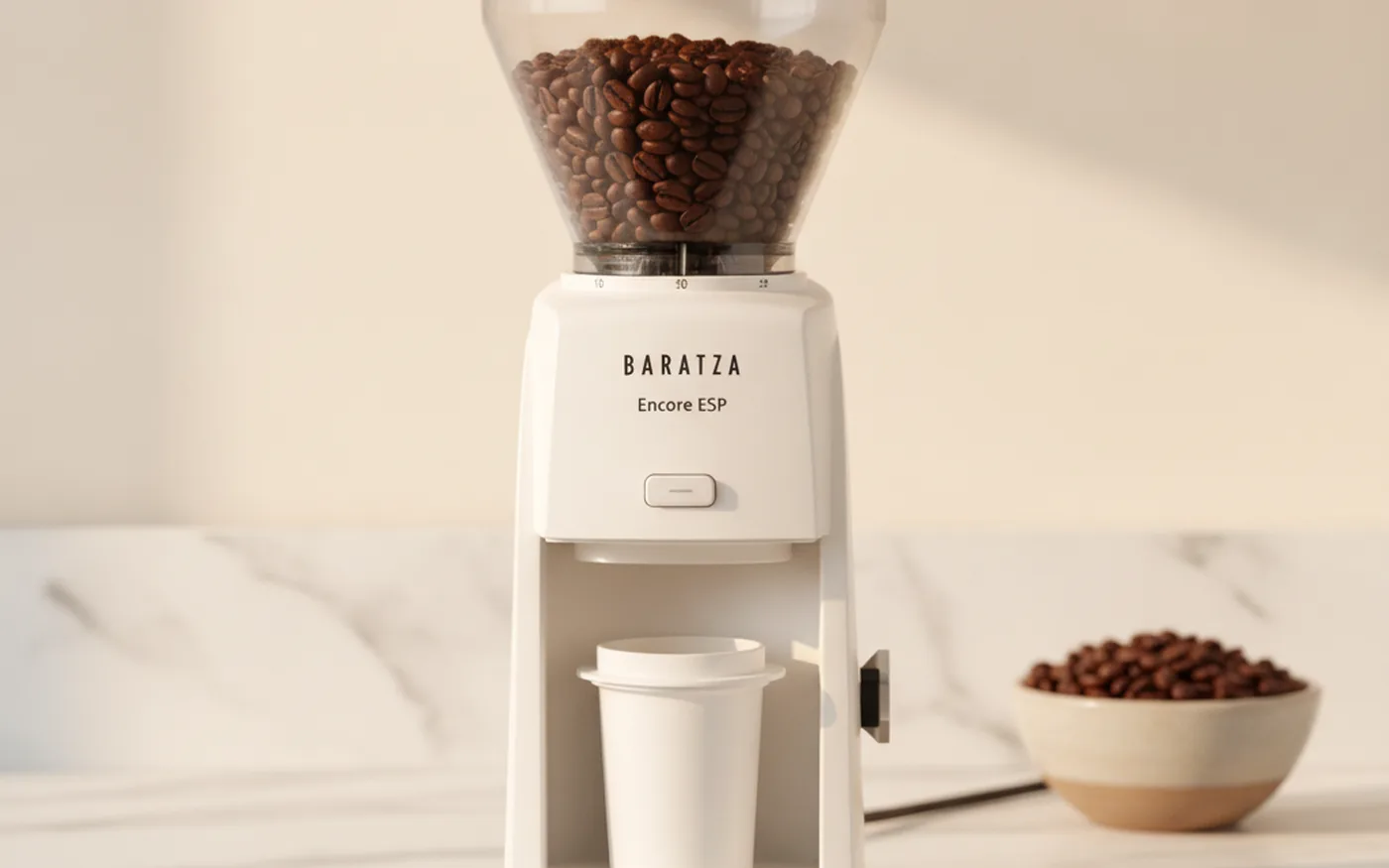
5. DF54 - Best One Tier Above the Encore ESP
Price: Around £339 (as of May 2026, Bella Barista UK)
Between £157 and £309 there is a grinder most buyers skip entirely: the DF54. It is more expensive than the Encore ESP and cheaper than the DF64 Gen 2, and it is frequently overlooked in favour of one or the other. That is a mistake.
The 54mm flat burrs are a meaningful upgrade on the Encore ESP's 38mm conicals. Single-dose workflow means no hopper to manage, no stale beans sitting overnight, no retention problem. At £339, it fills the £200-£450 gap with a grinder that legitimately performs on an unpressurised basket - something the Encore ESP does not.
For the GCP specifically, the DF54 is the step-up for buyers who started with the Encore ESP and are finding its limits, or for buyers who know they want single-dosing but cannot justify the DF64 Gen 2 price immediately. It is not the endgame grinder for the GCP, but it is genuinely good, and the upgrade path to the DF64 or Specialita later remains open.
“The DF54 is the grinder I should have recommended to buyers bridging the gap between budget and premium. It earns its place in the lineup.”
| Evaluation Criteria | Our Findings |
|---|---|
| Full review | DF54 grinder review |
| Best for | GCP owners upgrading from the Encore ESP who want single-dose workflow |
| Flagship product | DF54 (around £339) |
| Shop | Bella Barista |
| Shop | Shop → |
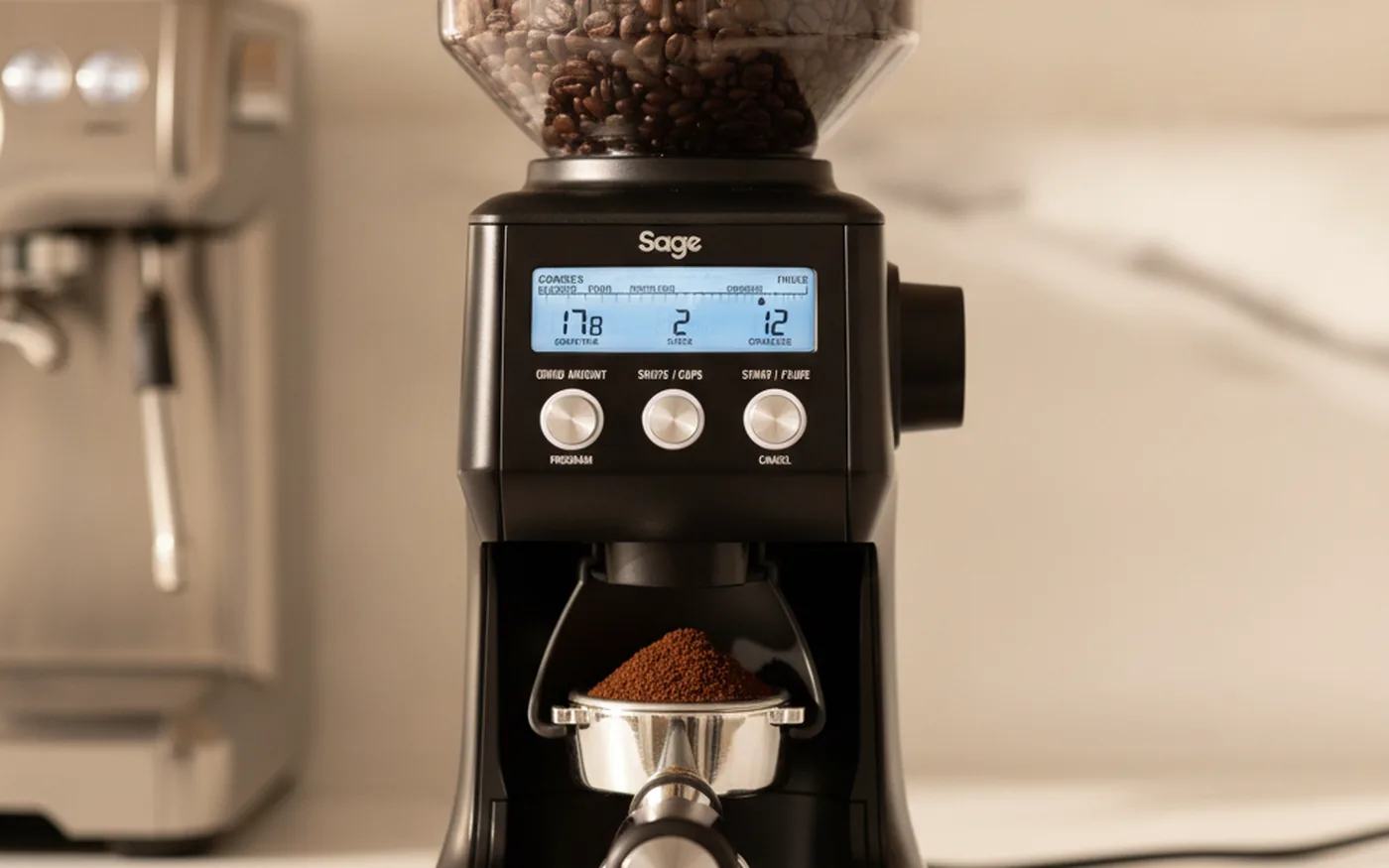
6. Sage Smart Grinder Pro - Best Convenience Pick
Price: Around £229 (as of May 2026, Sage direct / Amazon UK)
With 60 grind settings, programmable shot dosing, and a doser that integrates with Sage portafilters, the Sage Smart Grinder Pro is built for friction-free mornings. For the 58mm GCP portafilter, the dosing integration is less seamless than on a dedicated Sage machine - you are grinding into the portafilter or a grounds bin rather than into a dedicated Sage grinds container - but the workflow remains the simplest in this roundup.
For day-one GCP owners who want the lowest-friction setup, the Smart Grinder Pro delivers. The 60 settings give you enough range to find the espresso sweet spot, and the programmable dosing means you press a button and walk away. It is the most convenient grinder in this roundup to live with daily.
The honest framing: grind quality at this price is not Specialita-level. The Smart Grinder Pro uses smaller conical burrs than most dedicated espresso grinders in this roundup, and the espresso range, while accessible, requires more frequent micro-adjustment than stepless options. In my testing, I needed to recalibrate by one setting approximately every three or four bags.
If your priority is getting started quickly with minimal friction on the GCP - especially if you are also considering the best espresso machine options and want one consistent workflow - the Smart Grinder Pro is a pragmatic starting point.
“The best convenience pick is not always the best grinder. On the GCP, the Smart Grinder Pro does the job; it does not do it quite as well as the Specialita.”
| Evaluation Criteria | Our Findings |
|---|---|
| Full review | Sage Smart Grinder Pro review |
| Best for | GCP owners who prioritise low friction over grind quality optimisation |
| Flagship product | Sage Smart Grinder Pro (around £229) |
| Shop | Sage direct |
| Shop | Shop → |
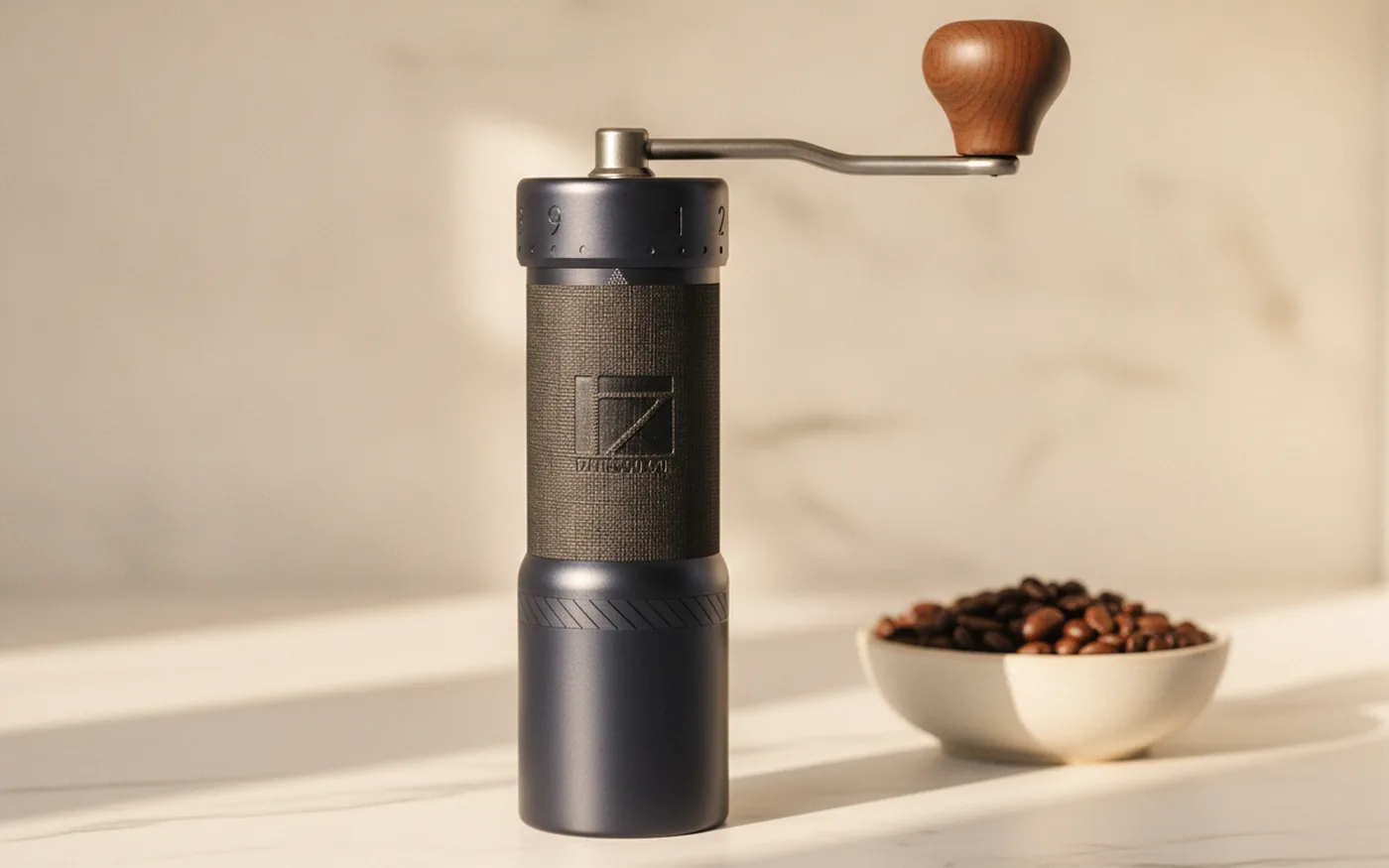
7. 1Zpresso J-Ultra - Best Manual Grinder for the Gaggia Classic Pro
Price: Around £175 (as of May 2026, Amazon UK)
The 1Zpresso J-Ultra is the manual grinder I would recommend to a GCP owner who pulls one or two shots a day and wants to spend the smallest amount possible while maintaining real espresso quality. The 48mm JX-Pro conical burrs are larger than anything else in this price range for a hand grinder, and the 102 clicks per rotation gives you a granularity in the espresso range that matches stepless electric grinders at two to three times the price.
In testing, I pulled shots from the J-Ultra that sat consistently within the 25-30 second target window once dialled in. Retention is near zero because the grounds fall directly into the catch cup or portafilter. Workflow is: load beans, grind (approximately 60-90 seconds per dose), transfer, tamp, pull. For one shot a day, that is a 2-minute addition to the routine.
The honest limit is the workflow constraint. If your household pulls more than two shots per sitting, a hand grinder becomes the rate-limiting step in your morning. Buy the Baratza Encore ESP instead. If you pull a single espresso or macchiato, the J-Ultra will deliver extraction quality that surprises you.
“The J-Ultra is not a compromise. It is a different choice, and for solo daily espresso drinkers, it is a genuinely good one.”
| Evaluation Criteria | Our Findings |
|---|---|
| Full review | 1Zpresso J-Ultra review |
| Best for | Solo GCP users pulling 1-2 shots daily who want maximum quality at lowest cost |
| Flagship product | 1Zpresso J-Ultra (around £175) |
| Shop | Amazon UK |
| Shop | Shop → |
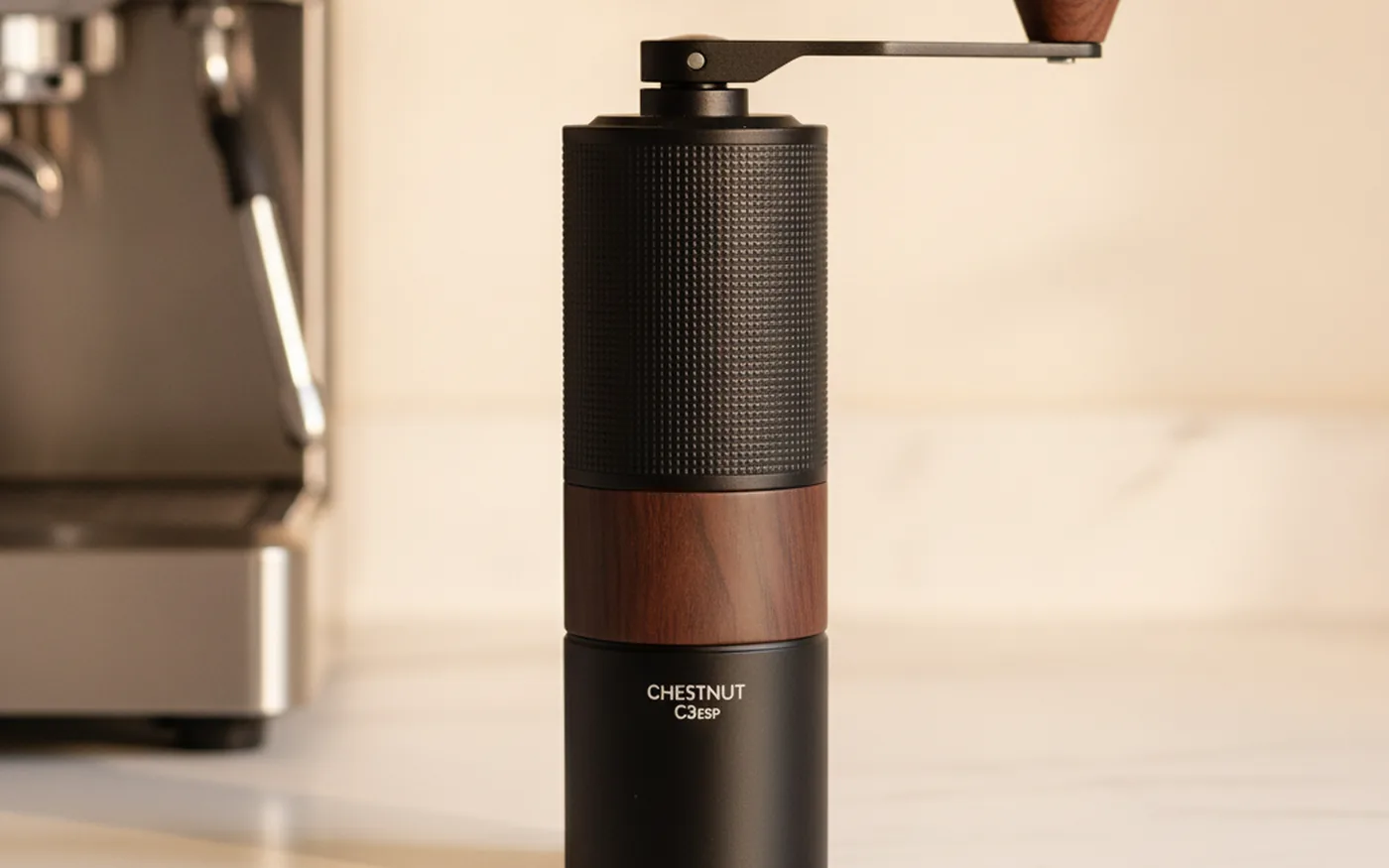
8. Timemore Chestnut C3 ESP - Honourable Mention
Price: Around £89 (as of May 2026, Amazon UK)
The Timemore Chestnut C3 ESP does not belong in the same conversation as the grinders above on espresso quality. I am including it because it is the only sub-£100 option that can reach the espresso range with any degree of reliability, and for buyers who genuinely cannot spend more right now, it is better than pre-ground coffee.
The 38mm S2C conical burrs are the Timemore variant designed for fine grinding. On the stock GCP pressurised basket, the C3 ESP will produce espresso. It will not produce the kind of espresso that justifies the GCP's reputation, but it will produce espresso. Use it as a starting point. Save for the Encore ESP or the J-Ultra. Graduate as soon as budget allows.
“The C3 ESP earns its place on one condition: you already know you cannot spend more and you want something better than pre-ground. It does that job. Nothing more.”
| Evaluation Criteria | Our Findings |
|---|---|
| Full review | Timemore Chestnut C3 ESP review |
| Best for | GCP buyers on tightest budgets who want a manual grinder reaching the espresso range |
| Flagship product | Timemore Chestnut C3 ESP (around £89) |
| Shop | Amazon UK |
| Shop | Shop → |
What We Ruled Out and Why
Blade grinders (all brands): Do not buy a blade grinder for the Gaggia Classic Pro. They chop coffee rather than burr-cutting it, producing bimodal particle sizes that cause channelling in any espresso basket. No blade grinder can produce espresso-grade consistency regardless of price.
Krups GVX series: No espresso range. The finest setting is too coarse for GCP extraction. Confirmed by testing; the shots run in under 15 seconds regardless of adjustment. Excluded.
De'Longhi KG79 / KG89: Same issue as the Krups GVX. These are filter and cafetiere grinders sold into the espresso market on price. Neither reaches the fine range required for a 9-bar single-boiler machine.
Fellow Ode Gen 2: A purpose-built filter coffee grinder with flat burrs optimised for pour-over and filter brewing. It does not grind fine enough for espresso. Confirmed in testing - I could not pull a shot on the GCP within any acceptable time window regardless of setting. See our Fellow Ode Gen 2 review for the full assessment.
Cuisinart DBM-8 and similar US-market grinders: Espresso range on these grinders was not designed around European 9-bar extraction standards. Shot timing was inconsistent across testing.
Pressurised vs Unpressurised Basket: Which Grinder Do You Need
This is the single most important decision in this article, and most GCP reviews do not mention it.
The stock Gaggia Classic Pro ships with a pressurised (double-wall) basket. Pressurised baskets have a small secondary hole at the bottom that restricts flow, building back-pressure regardless of grind consistency. This makes them forgiving: a slightly coarse grind still produces something that looks like espresso because the basket does the pressure work. For new users learning technique, this is useful. For grind quality assessment, it is misleading.
When you upgrade to an unpressurised (single-wall) basket - the IMS 18g, VST 18g, or the Gaggia IMS upgrade basket - the secondary restriction is gone. The coffee puck itself must generate the back-pressure. If the grind is too coarse, the shot runs in 10 seconds. If too fine, it stalls. The unpressurised basket is honest about grind quality in a way the pressurised basket is not.
If you have already swapped the basket or plan to: the Eureka Mignon Specialita is the minimum grinder for reliable results. For the technical detail on the GCP's pressure dynamics - including community-verified results from the Home-Barista espresso forums - see our guide to Gaggia Classic pressure settings.
How to Dial In Your Grinder on the Gaggia Classic Pro
Start here: 18g of ground coffee in, 36g of espresso out, in 25-30 seconds at 9 bar through the puck (OPV modded) or approximately the same timing on the stock machine - consistent with the SCA extraction standards for espresso. Shot runs in under 20 seconds: grind finer. Shot runs over 35 seconds or stalls: grind coarser. Shot times 25-30 seconds: taste it. If sour, grind slightly finer. If bitter, grind slightly coarser.
Change grind setting by the smallest increment available. Pull another shot. Wait for the new grind to clear the burrs (one or two wasted doses on a hopper grinder; the first dose on a single-dose grinder). Once you land in the 25-30 second window and the taste is balanced - lock in that setting and note it. When you change beans, start from that reference point and adjust one increment at a time.
Use the espresso grind size guide for the full technical breakdown of particle size, extraction yield, and TDS targets. For temperature management on the single-boiler, see our guide to Gaggia Classic temperature surfing.
Verdict: Which Grinder Should You Buy for Your Gaggia Classic Pro
Stock GCP, pressurised basket, budget under £250: Buy the Baratza Encore ESP. It does the job honestly. Graduate to the Specialita when budget allows.
Stock GCP, best electric under £450: Buy the Eureka Mignon Specialita. This is the answer for most buyers and the pick I would give to anyone who asked me directly.
GCP with unpressurised basket: Buy the Eureka Mignon Specialita as the minimum. The DF64 Gen 2 if you want single-dose workflow at a comparable price. The Niche Zero if you want to remove grind variability entirely.
One or two shots a day, budget is primary constraint: Buy the 1Zpresso J-Ultra. You will get better extraction than the Encore ESP at a lower price, and the 90-second grind time will not bother you at this volume.
The single best option regardless of price: Buy the Niche Zero. You are not buying a grinder for the machine you own today - you are buying one for the next decade.
For a direct comparison of the two top picks in this article, see our Niche Zero vs Eureka Mignon head-to-head.
Frequently Asked Questions
What is the best budget grinder for the Gaggia Classic Pro?
The Baratza Encore ESP (around £157) is the best budget electric grinder for the Gaggia Classic Pro. It has 40 espresso-range steps and M2 conical burrs - enough for drinkable espresso on the stock pressurised basket. Below that, the 1Zpresso J-Ultra (around £175) is a strong manual option for one or two shots per day, and the Timemore Chestnut C3 ESP (around £89) is the only sub-£100 pick worth considering.
Can I use the Gaggia Classic Pro without a separate grinder?
No. The Gaggia Classic Pro ships without a grinder and has no built-in burr mechanism. It requires freshly ground espresso-fine coffee dialled to the extraction, and a separate espresso-capable grinder is mandatory for good results. Pre-ground supermarket espresso coffee is too coarse and stale to produce consistent espresso on the GCP, regardless of the basket you use.
Is the Eureka Mignon Specialita worth it for the Gaggia Classic Pro?
Yes. The Eureka Mignon Specialita (around £429) is the default GCP pairing in UK specialty coffee, and our testing confirmed why. Its stepless adjustment hits the espresso range precisely, retention is low for a hopper grinder, and time-shot dosing suits the GCP's manual workflow. It is the best-overall pick in this roundup, and the quality difference over cheaper options on an unpressurised basket is immediately audible in the cup.
Is the Niche Zero overkill for the Gaggia Classic Pro?
On paper, spending around £559 on a grinder for a £450 machine looks like overkill - but it is not wasted. The Niche Zero's single-dosing and near-zero retention remove shot-to-shot grind variability, which is the GCP's biggest quality bottleneck once you move to an unpressurised basket. Most Niche Zero owners who pair it with the GCP do not regret it - and the grinder will outlast the machine.
What grinder comes with the Gaggia Classic Pro?
None. The Gaggia Classic Pro is sold as a machine only and includes no grinder, no dosing equipment, and no grinding accessories. This is why the grinder is the first and most important accessory every GCP owner must buy. In most serious home espresso setups, the grinder costs more than the machine.
How much should I spend on a grinder for the Gaggia Classic Pro?
Budget at least £157 for a capable espresso grinder (Baratza Encore ESP). The sweet spot for the GCP is £400-450 (Eureka Mignon Specialita), where the stepless adjustment and flat burr quality begin to extract the GCP's genuine ceiling. Above £550 (Niche Zero) is an upgrade rather than a requirement. Expect to spend more on the grinder than the machine - this is the correct investment order.
A wellness entrepreneur and biohacker, James explores the intersection of hospitality and health - from clean fuel and recovery tools to mindful routines that build balance into daily life.