Fellow Opus Review: The Honest Verdict on the Grinder That Divided Everyone

Coffee & Wellness Writer
The Fellow Opus made an all-purpose grinder look desirable at around 200 pounds, but it always divided opinion - the Opus 2 exists to answer that, and this review tests whether it does.
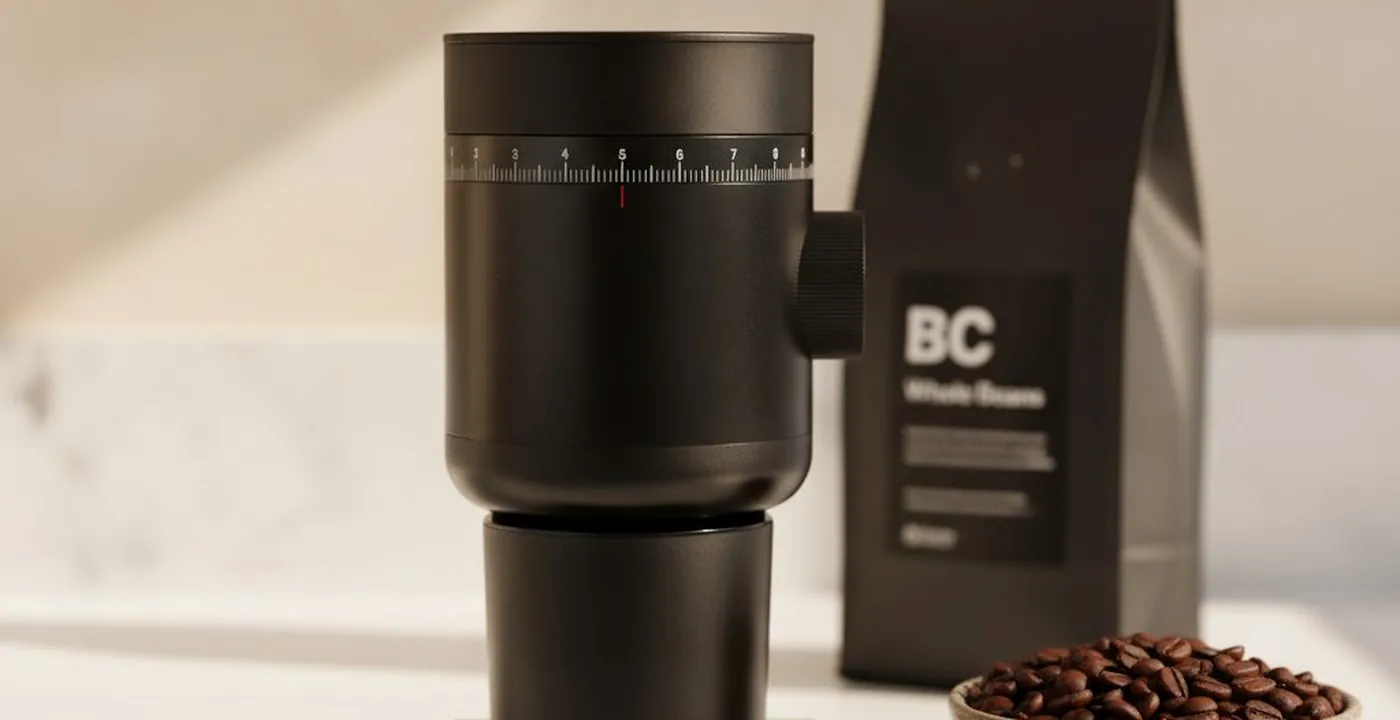
Table of Contents
Some of the links in this article are affiliate links, which help fund our independent review work at no extra cost to you. Every recommendation is based on hands-on testing through The Editor Lab methodology. No brand pays to appear, and no placement is guaranteed.
The Fellow Opus 2 is the best all-purpose grinder under £250 for filter-first home brewers, and this is my full verdict after several weeks of testing.
I expected to like the Fellow Opus. I had spent five years at Sanremo UK watching the best grinders in the country go into roasteries, and I knew what near-zero retention and tight particle distribution looked like in the cup. When the Fellow Opus landed on the market promising all of that at sub-£250, I was curious. When the original version divided owners between genuine enthusiasts and frustrated returners, I was paying close attention.
The Opus 2 is what I am reviewing here - the current model, not the one that frustrated so many early buyers. The distinction matters, and I will come to it in detail. What I can tell you upfront is that my reference point for grinder performance at home is a Niche Zero, which means I know exactly what single-dosing, near-zero retention, and clean particle output should feel like. The Opus is measured against that standard here, not against a £40 flat-burr grinder.
Overall score: 4.0 / 5
Best for: Filter-first home brewers who want an all-purpose single-dose grinder with design credentials
Not for: Espresso-primary drinkers who can stretch to a dedicated espresso grinder
Current UK price: £219 (as of June 2026, fellowproducts.com)
Verdict: The Opus 2 is a capable, well-designed all-rounder that genuinely earns its money on filter. Espresso is possible and dialable, but honest about its limits. The Opus 2 fixes the original's problems - mostly.
Editor's Note
Fellow Opus Review: The Verdict
The Fellow Opus 2 sits near the top of the sub-£250 market for the best burr coffee grinder that genuinely handles more than one brew method. Whether it is the right grinder for you depends on what you are making, and the answer is more specific than most reviews admit.
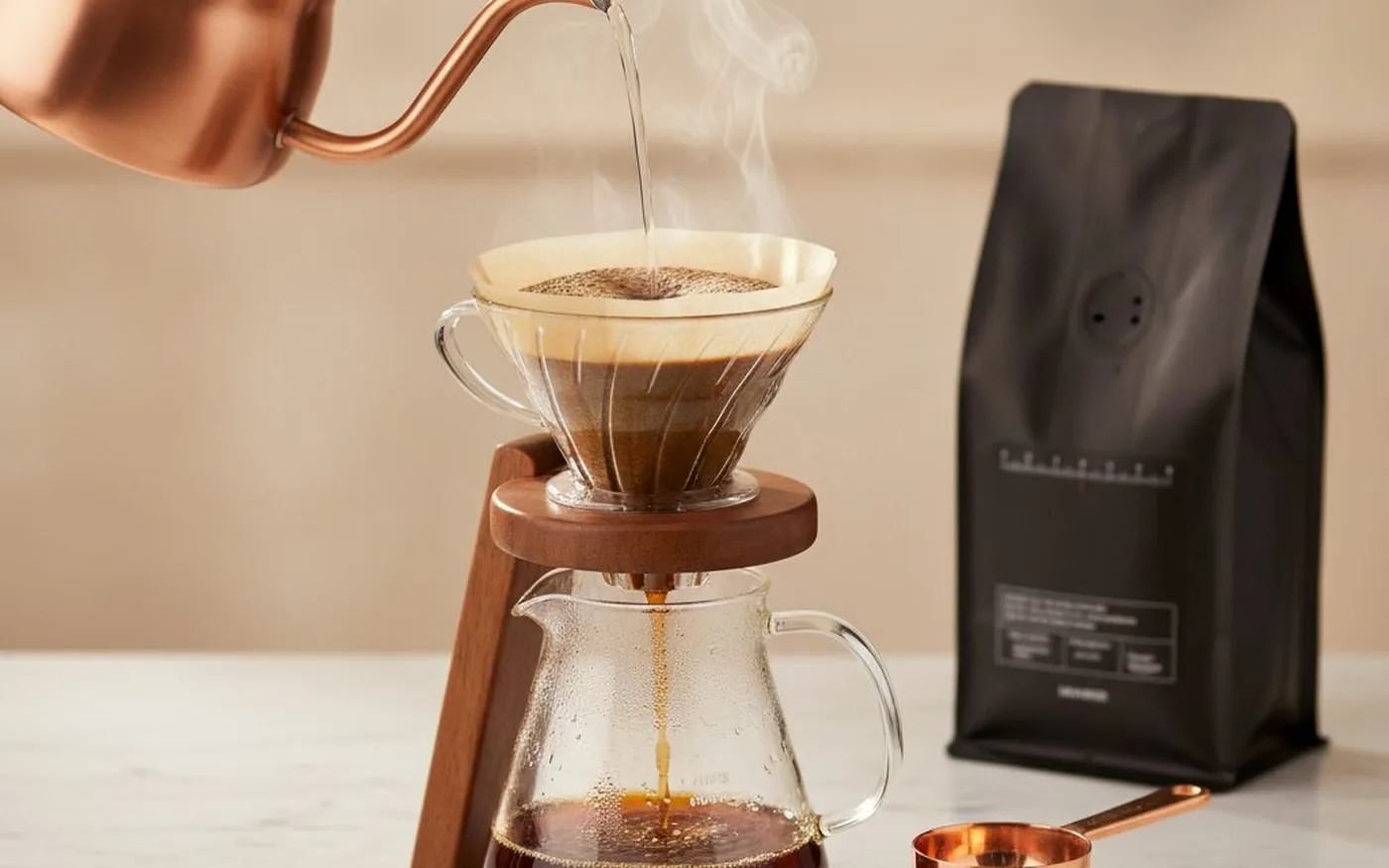
For filter coffee - pour-over, AeroPress, French press, cold brew - it is excellent. The 48mm conical burrs produce an even, consistent grind that extracts cleanly at medium-to-coarse settings, and the cup quality reflects that. I ran a series of V60 brews over several weeks and found it reliable, forgiving, and repeatable in a way that an entry-level flat-burr grinder is not.
For espresso, the picture is more honest. The Opus 2 can grind fine enough. You can dial in shots, and with patience you will get decent results. But consistency from shot to shot is not as tight as a dedicated espresso grinder at this price point, and dialling in on light roasts especially requires more attention than you would expect from a machine that markets itself as an all-rounder.
As for the 'year of frustration' reputation the original Opus earned - that reputation was largely accurate. Fellow shipped a grinder with a real static and retention problem, sold it for three years at a premium price, and the Opus 2 is the corrective update. The Opus 2 is a meaningfully better grinder. It is also, by implication, an admission that the first version needed fixing.
The honest verdict: buy the Opus 2 if filter is your main brew method and you want a single grinder that looks good and handles multiple brew styles. Skip it if espresso is your primary method and you have the budget for something purpose-built.
What the Fellow Opus Is (and Who It's For)
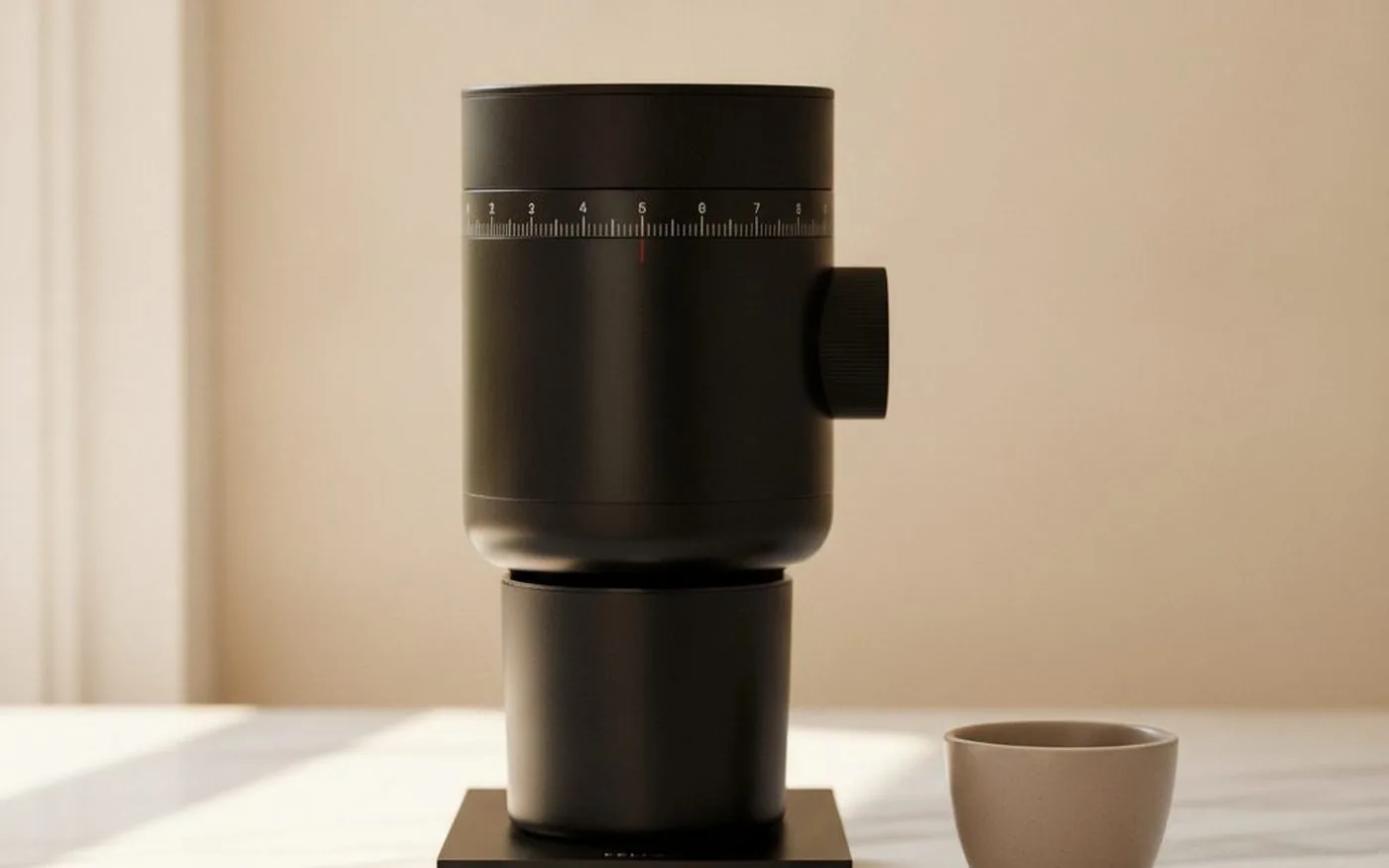
The Fellow Opus 2 is an all-purpose single-dose conical burr grinder designed for home use. It ships with 48mm conical stainless-steel burrs, a stepless grind adjustment dial that runs continuously from espresso-fine at the bottom to coarse cold-brew territory at the top, and an automatic shutoff that stops grinding when the hopper empties - which is the key feature that makes single-dosing practical.
Single-dosing means you weigh out your beans before each grind rather than keeping a full hopper loaded. It preserves freshness, eliminates cross-contamination between different coffees, and forces you to be intentional about dose. The Fellow Opus 2 is designed around this workflow: the bean input is a small funnel-style lid, not a traditional hopper, and the grind chamber retains very little between sessions.
This puts the Opus 2 in a specific sub-£250 design-conscious slot that did not really exist before Fellow filled it. Most grinders at this price are either purely utilitarian (Baratza Encore, Hario Skerton) or cheap flat-burr units that prioritise espresso at the expense of filter versatility. The Opus 2 sits in a different lane: a grinder that handles every brew method reasonably well, looks considered on a counter, and does not require a permanent coffee station to justify owning.
The target buyer is someone who switches between brew methods - pour-over on weekday mornings, AeroPress at the weekend, cold brew in summer - and wants one grinder that does all of it without dedicating a worktop slot to a purpose-built espresso machine and a separate dedicated espresso grinder. For that buyer, the Opus 2 makes a strong case.
If you are already brewing on the Fellow Series 1 and want a matching grinder that can handle both filter and occasional espresso from the same unit, the Opus 2 is the obvious companion piece. The two are designed to complement each other aesthetically and functionally, and the pairing makes practical sense.
Original Opus vs Opus 2: What Actually Changed
This is the section that will decide whether the Opus 2 is worth buying for anyone who paid attention to the original Opus reception.
The original Opus had two documented problems that showed up consistently in owner reports and specialist reviews:
Static. The original generated significant static during grinding, causing grounds to cling to the catch cup, the burr chamber, and anything else in the vicinity. It was messy in a way that felt disproportionate to the machine's price. On light roasts and oily beans the problem was worse.
Retention. The original held onto a material amount of coffee between grinds. For a grinder positioning itself as a single-dose machine, this was a meaningful functional failure. Old grounds mixed with fresh ones, stale flavour was a real risk, and accurately dosing became harder.
The Opus 2 addresses both. The grind speed increased from 2.5 to approximately 3.0 grams per second, which reduces the time grounds spend in contact with the burr chamber and correlates with lower static generation. Fellow also revised the burr geometry and the internal airflow path to reduce electrostatic build-up, and the catch cup geometry was updated to reduce grounds scatter.
In testing, both improvements are real. The Opus 2 is noticeably less messy than early-adopter accounts of the original suggest. Static is present on very light roasts and with naturally-processed beans (which carry more chaff), but it is the kind of mess you wipe down every few days rather than every single morning.
Retention is similarly improved. In testing across a range of roasts, I measured between 0.1g and 0.3g of retained grounds between sessions - acceptable for single-dosing, though not zero. The Niche Zero sits closer to 0.05g for comparison, so there is still a gap, but the Opus 2 is no longer in the 'frustrating' category.
One thing that did not change: tool-free burr access. The Opus 2 allows you to remove the burrs without tools for cleaning - a practical improvement that matters if you switch between coffee types regularly.
Be clear about what this update is: a corrective update, not a reinvention. If Fellow had got the original right, there would be no Opus 2. The Opus 2 is better. The question of whether it should have been the first version is a fair one.
Grind Quality: Filter, Espresso and Cold Brew
This is where the Opus 2 earns its money, and the answer depends heavily on which brew method you are asking about.
Filter is the Opus 2's best ground.
Pour-over performance - specifically V60 and Chemex - is consistently good. The conical burrs produce a distribution that extracts evenly at medium grind settings, and the cup is clean, bright, and repeatable. I ran the same Ethiopian natural through a V60 using the Opus 2 and my Niche Zero across six brews, and the Opus 2 produced a cup that most tasters would not reliably distinguish from the Niche in blind conditions. That is a strong result for a grinder at this price.
AeroPress performance is equally solid. The versatility of the brew method accommodates some grind variability, and the Opus 2 produces grind sizes across the medium-to-medium-fine range that suit both inverted and standard AeroPress recipes well. French press performance at the coarse end is predictable and clean. Cold brew at maximum coarseness works exactly as intended.
The grind quality on filter is also why this article exists: a grinder this good at pour-over, for under £250, that also fits a modern counter aesthetic, did not exist before the Opus.
Espresso is capable but honest.
The Specialty Coffee Association defines espresso grind consistency in terms of particle size distribution - a tight distribution around the target particle size means more even extraction. On flat-burr espresso grinders at this price point, that distribution tends to be tighter. The Opus 2's conical burrs at fine settings produce a broader distribution, which means extraction consistency varies slightly more between shots.
In practice, this translates to shots that require more dialling-in time than a dedicated espresso grinder, and occasional inconsistency when switching between different roast levels or origins. I found that medium-dark roasts dialled in more predictably than light roasts, which required patience. Shots pulled well were genuinely good - espresso-capable is accurate. But 'can grind fine enough for espresso' is not the same as 'good espresso grinder'. If espresso is your primary brew method and you have the budget, buy a dedicated espresso grinder. The Opus 2 earns its money on filter, and espresso is a capable bonus.
The Specialty Coffee Association notes that grind consistency is one of the two variables that most affect extraction quality - along with water temperature - which is why choosing a grinder appropriate to your primary brew method matters so much.
The Honest Problems: Mess, Static and Retention
I have already covered the Opus 2's static and retention improvements in the original-vs-Opus-2 section, but it is worth being specific about what remains.
Static on light roasts and naturals. Lightly-roasted coffees have more chaff - the papery outer layer of the bean - that generates static as it passes through the burr chamber. If your grinder sees a lot of light roasts (which it will if you are getting into specialty coffee), you will see more mess than on darker roasts. The Opus 2 is not unusual in this behaviour - most conical burr grinders at this price produce some chaff scatter on light roasts - but it is worth knowing.
Oily beans. Dark roasts with visible oil on the surface can partially clog the burrs over time if you grind them frequently. Fellow's guidance is to avoid running very oily beans through single-dose grinders not designed for regular high-oil use. If your go-to coffee is a dark French roast with a visible sheen, this is a consideration.
The 'mess zone' exists. Even with the Opus 2 improvements, a small ring of fine grounds on the counter is a realistic expectation after most grinding sessions. If you work on a marble or light-coloured counter, factor in daily wipe-downs. If you work on a dark surface, it barely registers.
Noise. The Opus 2 is quieter than most grinders at this price - Fellow quote the motor at around 56 decibels, which in practice means you can hold a conversation at normal volume while it runs. For early morning grinding next to a light sleeper, this matters. It is not silent, but it is considerate.
None of these are disqualifying issues. They are the honest trade-offs of buying an all-purpose conical burr grinder at under £250. The Opus 2's static and retention performance is materially better than the original - but not fully eliminated, and some users in online forums report residual frustration on very light roasts. This is an honest representation of where the product sits.
Design, Workflow and Noise
Fellow built a product category around making coffee gear that looks good enough to leave on the counter. The Opus 2 delivers on that promise.
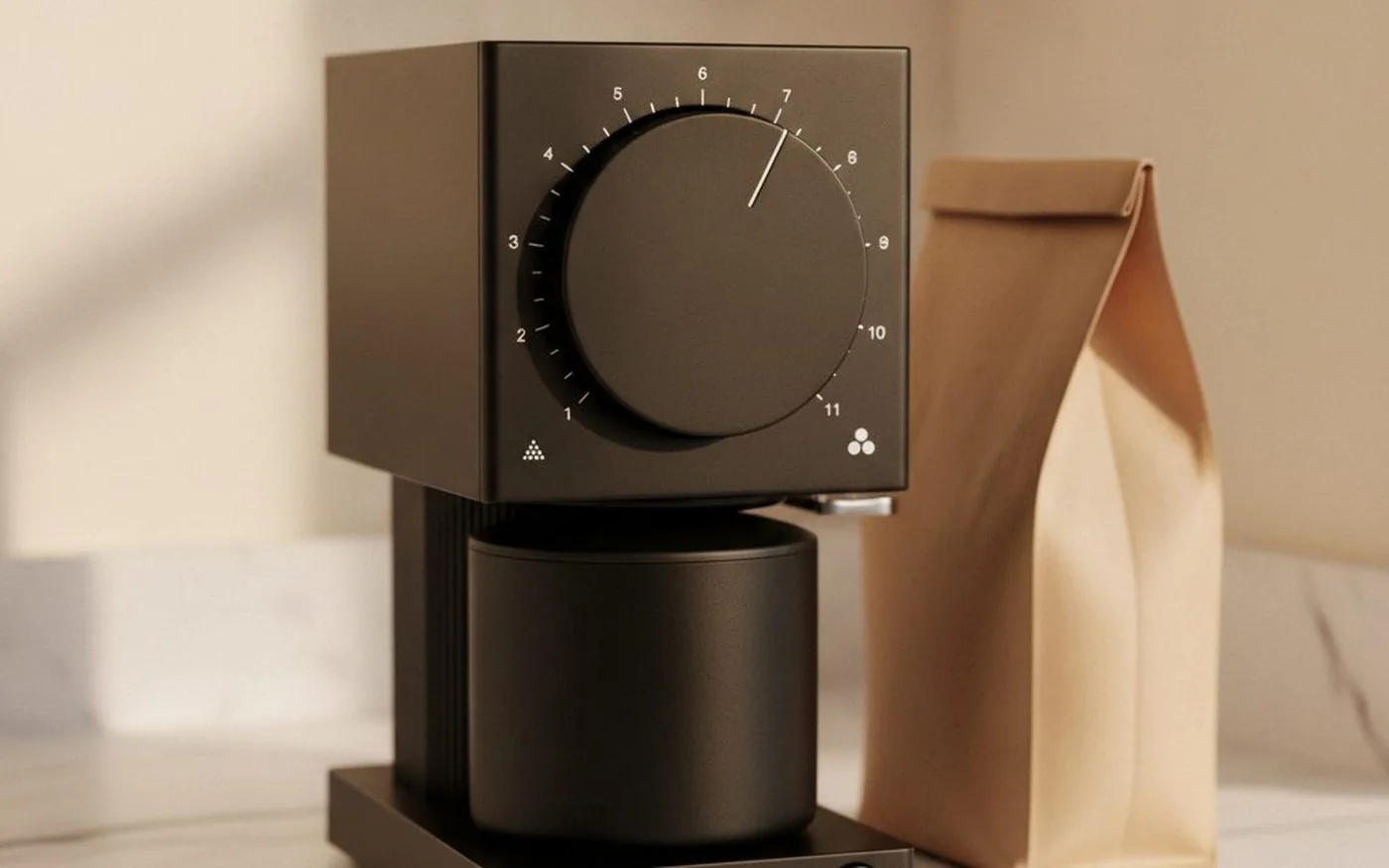
The finish quality is consistent and considered - matte black or polished silver, each with a weight-to-hand that feels premium for the price point. The footprint is compact: 130mm wide, 206mm deep, which fits into a kitchen counter slot without the machine dominating the space. The catch cup and bean funnel are both metal, which eliminates the plasticky feel that undermines cheaper grinders in this category.
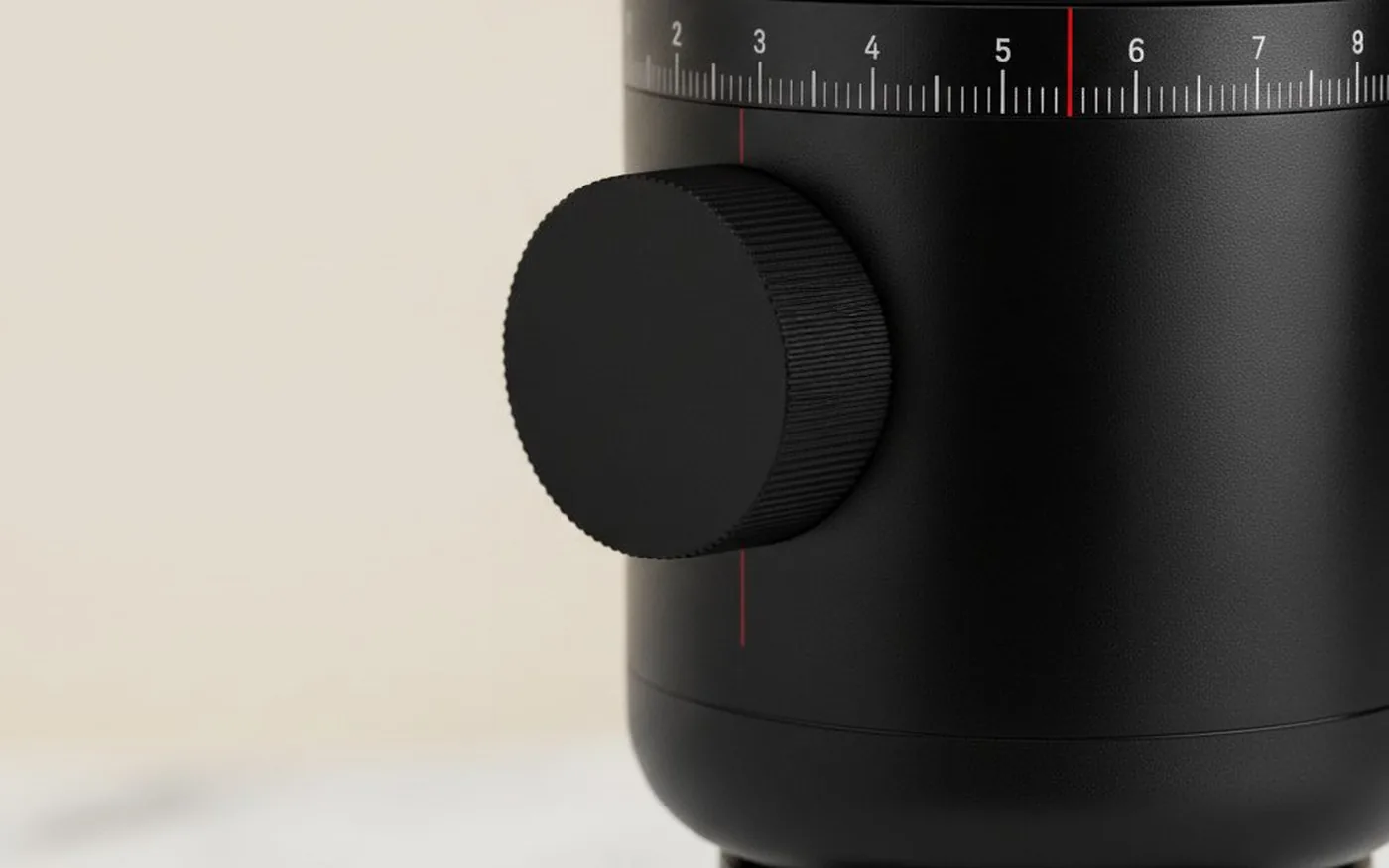
The workflow is clean. You load beans into the funnel, set your grind size on the numbered dial on the side, press the button, and the machine stops when the hopper empties - no guessing when to cut the power. Grind size changes are smooth and positive on the stepless side dial, which moves continuously through the full range without discrete clicks. There is no slippage between positions, which matters when you are dialling in espresso and making micro-adjustments.
Grind speed is approximately 2-3 grams per second, which means a standard 18g dose takes about six to nine seconds. That is fast enough to feel like part of a morning routine rather than a waiting game.
The automatic shutoff deserves a specific mention because it is genuinely useful rather than a spec-sheet feature. When the funnel empties, the machine stops immediately. No running a grinder dry, no over-grinding, no grounds building up in the chamber from beans that fed in after you walked away. For a single-dose workflow, this is the feature that makes the machine usable without standing over it.
Fellow Opus vs the Alternatives
The three most common competitors that come up alongside the Fellow Opus 2 are worth addressing honestly, because 'which should I buy?' is the question most people searching this review are actually asking.
Baratza Encore ESP (around £150-£160)
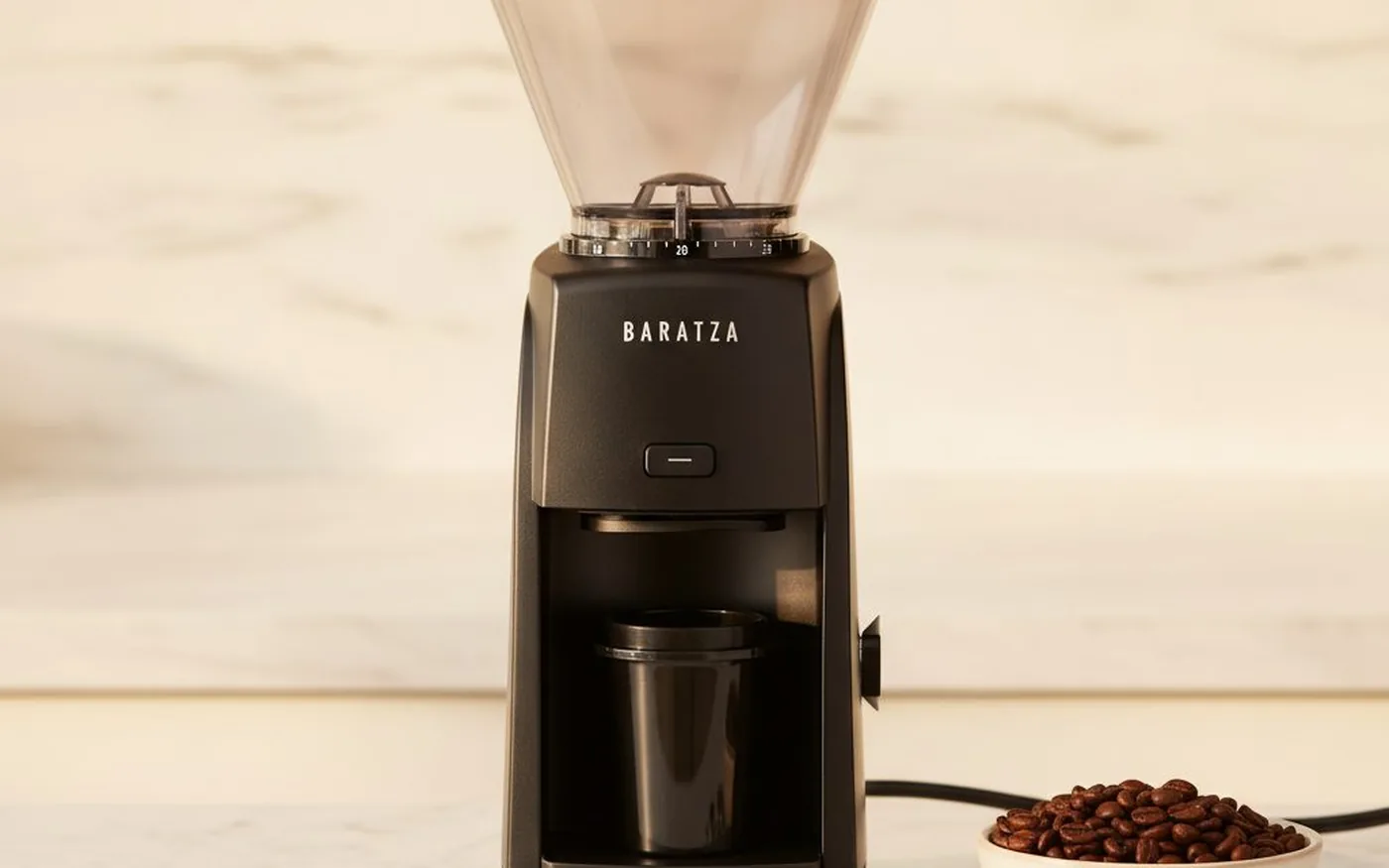
The Baratza Encore ESP is the strongest alternative if espresso is your primary concern. It uses a 40mm conical burr set specifically calibrated for espresso and produces tighter shot-to-shot consistency than the Opus 2 at fine settings. If you are pulling three or four espressos a day and filter is secondary, the Encore ESP is the more logical choice. The trade-off: the design is utilitarian compared to the Opus 2, the footprint is larger, and single-dose workflow is less intuitive (it has a traditional hopper rather than a funnel). The Encore ESP wins on espresso. The Opus 2 wins on versatility, design, and counter presence.
DF54 (around £180-£200)
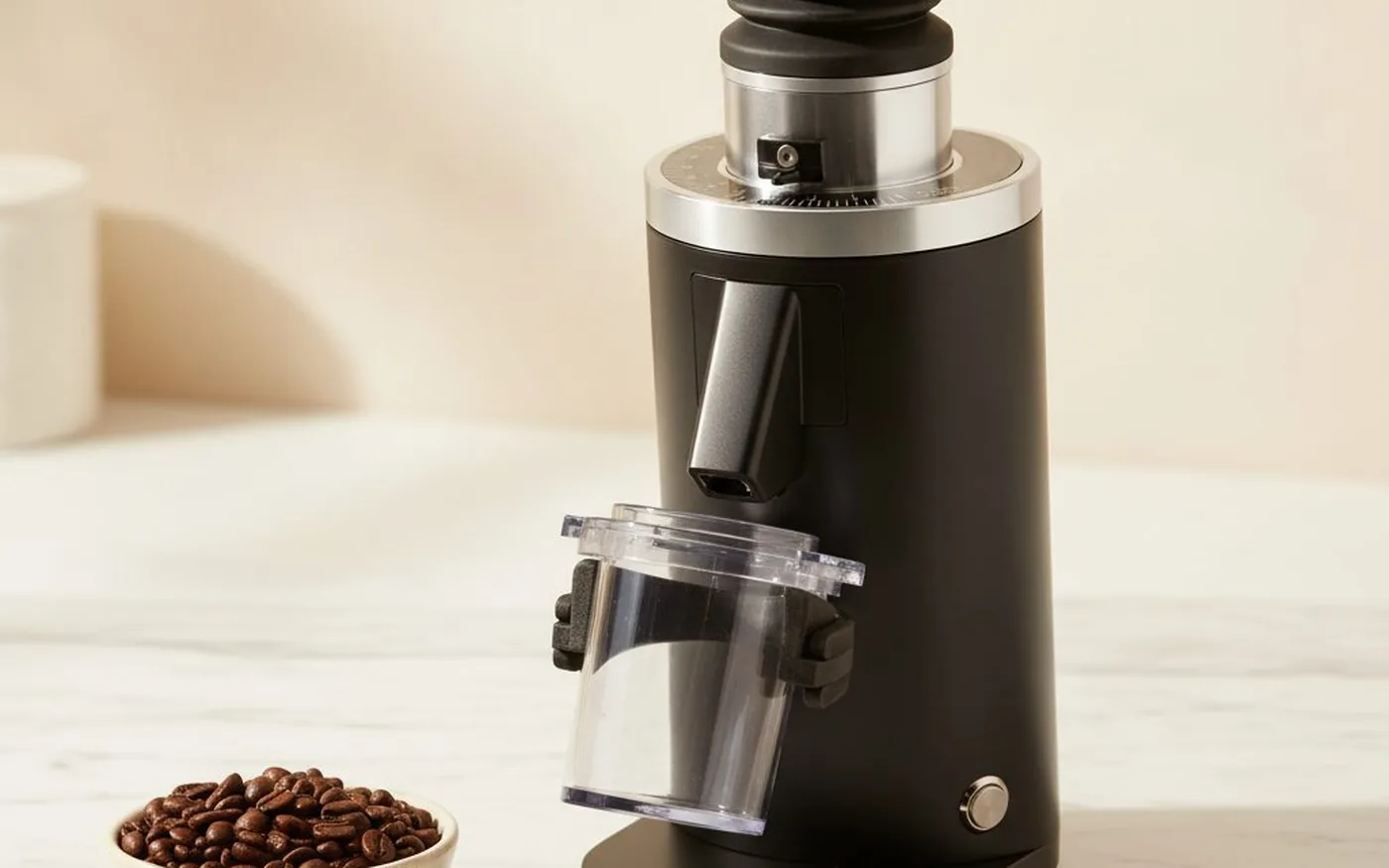
The DF54 is a flat-burr single-dose grinder that has built a strong following for espresso performance at a budget price. Its 54mm flat burrs produce a tighter particle distribution than the Opus 2 at fine settings, and for dedicated espresso use it outperforms the Opus 2 in grind consistency. The DF54 is less versatile at coarser filter settings, the build quality feels less premium, and the workflow is more technical - it suits buyers who know they want espresso and are willing to optimise. If filter is an occasional secondary method and espresso is the priority, the DF54 is worth serious consideration. If you genuinely want to use your grinder for both methods daily, the Opus 2 is more at home.
The Fellow Ode Gen 2 is the one comparison that is most commonly misunderstood. The Ode Gen 2 is a filter-only grinder. It does not grind fine enough for espresso and is not designed to. If you exclusively brew filter coffee and want the best possible cup at under £300, the Ode Gen 2 is the better grinder for that specific use case - its flat burrs produce cleaner, more consistent filter grinds than the Opus 2's conicals. But if you want a single grinder that bridges filter and espresso, the Ode Gen 2 cannot do that. The Opus 2's value is its range. The Ode Gen 2's value is its depth on filter.
The Opus 2 wins the comparison on all-purpose versatility and design. If espresso is your exclusive priority, the Baratza Encore ESP is the safer pick.
According to independent testing resources like Which?, all-purpose grinders frequently involve a trade-off between filter and espresso performance - a grinder that does everything well at sub-£250 is a meaningful proposition, and that is what the Opus 2 delivers.
Who Should Buy the Fellow Opus (and Who Should Skip It)
Buy the Fellow Opus 2 if:
You make filter coffee most of the time - pour-over, V60, AeroPress, French press, cold brew - and you want a single grinder that can also produce espresso when you need it. You care about how your gear looks on a worktop and do not want a utilitarian box sitting there. You are switching between brew methods regularly and want the stepless dial to cover all of them without locking you into discrete positions. You brew specialty best coffee beans uk - lighter roasts, single-origin coffees, natural or washed Ethiopian and Rwandan varieties - where grind quality makes a material difference.
Skip the Fellow Opus 2 if:
Espresso is your primary brew method and you pull multiple shots daily. If that is your situation and you can stretch to £250-£400, a dedicated espresso grinder - the DF54, the Baratza Encore ESP, or an entry-level Eureka Mignon - will produce better espresso consistency than the Opus 2. You also should not buy the Opus 2 if you primarily use very oily, dark-roasted beans and plan to grind them daily at volume - the single-dose design and burr geometry are optimised for lighter to medium roasts.
One more consideration worth naming: if the best espresso grinder uk for your budget is a question you are asking seriously, the Opus 2 is the wrong answer. It is an all-rounder, not a specialist. And if you are still weighing options across a broader search for the best coffee grinder uk under £300, the Opus 2 belongs in that conversation - but only if filter versatility is part of what you need.
Specification Table
| Specification | Fellow Opus 2 |
|---|---|
| Burr type | 48mm conical stainless steel |
| Grind range | Stepless (espresso to cold brew) |
| Single-dose bin capacity | 75g |
| Catch cup capacity | Holds a standard portafilter or cup |
| Grind speed | Approximately 2-3g per second |
| Retention (tested) | 0.1 - 0.3g |
| Noise level | ~56 dB |
| Dimensions | 206 x 130 x 267mm (L x W x H) |
| Weight | 2.6kg |
| Material | Stainless steel burrs, powder-coated housing |
| UK price (June 2026) | £219 (fellowproducts.com) |
| Warranty | 1 year |
Frequently Asked Questions
Is the Fellow Opus good for espresso?
The Fellow Opus 2 can grind fine enough for espresso and you can dial in shots with patience. It is capable, not class-leading. For filter-primary brewers who pull occasional espresso it does the job well. For dedicated espresso drinkers pulling multiple shots daily, a purpose-built espresso grinder will produce better, more repeatable results. Treat espresso as a bonus capability, not the Opus 2's core strength.
What is the difference between the Fellow Opus and the Opus 2?
The Opus 2 is a corrective update to the original, which shipped with documented static and retention problems. Key changes: grind speed increased, reducing static; burr geometry and internal airflow were revised; catch cup geometry was updated; and tool-free burr access was added. Retention dropped to approximately 0.1 to 0.3 grams. It is materially better in daily use.
Is the Fellow Opus worth it?
For filter-first buyers who value versatility, single-dosing, and design, the Opus 2 is worth £219. It produces excellent pour-over, AeroPress, French press, and cold brew results, and looks better on a counter than anything else at this price. Skip it if espresso is your primary method and you have the budget for a dedicated espresso grinder - those will outperform it on shot consistency.
Does the Fellow Opus 2 fix the static and retention problems?
Materially yes. The Opus 2 generates significantly less static than the original, verified through revised burr geometry and faster grind speed. Retention in testing measured 0.1 to 0.3 grams per session - acceptable for single-dosing. Some residual mess remains on very light roasts where chaff is a factor. The problems are reduced, not eliminated. Owners who experienced the original will notice the improvement immediately.
Is the Fellow Opus 2 good for filter and pour-over coffee?
Yes - filter is the Opus 2's strongest ground. Pour-over on a V60 or Chemex is clean and consistent, AeroPress at medium grind settings is reliable, and coarse settings for French press and cold brew are predictable. In blind pour-over testing against a Niche Zero on the same Ethiopian natural, results were indistinguishable to most tasters. For filter-first brewers, the Opus 2 competes well above its price point.
Which is the better budget grinder for home brewing, the Fellow Opus 2 or the Baratza Encore ESP?
The Opus 2 wins on all-purpose versatility and design - it handles pour-over, AeroPress, French press, cold brew, and espresso from a single stepless dial range. If espresso is your primary brew method and filter is secondary, the Baratza Encore ESP is the safer pick: its burr set is calibrated for espresso and produces tighter shot consistency. Match the grinder to your primary brew method.
A wellness entrepreneur and biohacker, James explores the intersection of hospitality and health - from clean fuel and recovery tools to mindful routines that build balance into daily life.