Grind Coffee Review: Tried, Tested, Honest Verdict

Coffee & Wellness Writer
Grind sells a lifestyle, not a coffee obsession. The pods are convenient and consistent. That's the ceiling.
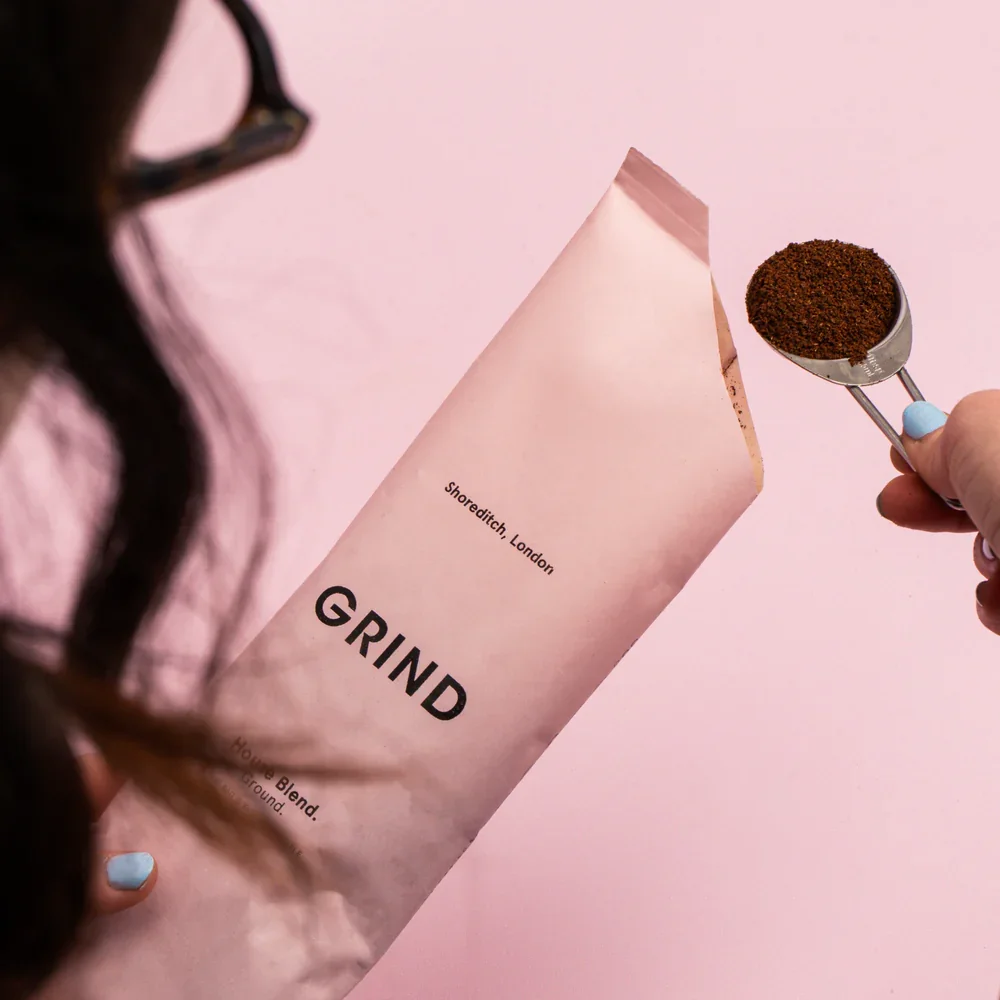
Table of Contents
Some of the links in this article are affiliate links, which help fund our independent review work at no extra cost to you. Every recommendation is based on hands-on testing through The Editor Lab methodology. No brand pays to appear, and no placement is guaranteed.
I'll be honest. When the Grind tin landed on our testing bench, I was ready to write it off. Pink branding. Shoreditch postcode. Instagram-perfect packaging. Everything about it screamed lifestyle brand first, coffee second. I've spent enough years in speciality coffee to be suspicious of anything that looks better than it tastes. But three weeks of testing later, across espresso, pour-over, and bean-to-cup machines, I'm sitting here writing a very different review than the one I'd planned.
Grind Coffee: London Style, Substance, or Both?
In our roundup of the 14 best coffee beans in the UK, Grind landed at number eleven, taking the "Best for Bean-to-Cup Machines" spot. That ranking raised a few eyebrows on our team, so we decided to give the full range proper attention. This is what we found.
The Brand Story
Grind started in 2011 when founder David Abrahamovitch and DJ Kaz James converted Abrahamovitch's father's old mobile phone shop on Old Street into a tiny coffee bar. That original Shoreditch Grind cafe, wedged into a traffic island with barely enough room for a La Marzocco and a handful of stools, became a cult spot almost overnight. The flat whites were good. The branding was sharper than anything else on the strip. People queued.
Fourteen London locations later, Grind has become something bigger than a cafe chain. When office workers were stuck at home during lockdown, the brand pivoted hard into direct-to-consumer online sales, launching what became the UK's first certified home-compostable coffee pods. Made from PHA, a material produced through microbacterial fermentation, those pods decompose within 26 weeks. Faster than grass cuttings.
The growth has been sharp. Grind now predicts it will sell over 40 million compostable pods this year. They've earned B Corp certification, set up the Better Coffee Foundation to address supply chain damage in the global coffee industry, and partnered with Ocean Co. to recover ocean-bound plastic with every product sold. The question we cared about was simpler: does the coffee actually taste good?
How We Tested
We put three Grind products through our structured blind tasting in February 2026: the House Blend whole bean (1kg bag), the House Blend compostable pods, and the Dark Blend pods. Equipment included a Sage Barista Pro for espresso, a Hario V60 for pour-over, and a De'Longhi Dinamica bean-to-cup for the whole bean test. Each coffee was tasted black first, then with oat milk. Our three-person panel scored across five categories: aroma, flavour clarity, body, finish, and overall balance. Full details on our process are available on The Editor Lab™ methodology page.
Taste & Quality
The House Blend is where Grind lives or dies, and it's a genuinely solid coffee. Medium roast, 100% Arabica, roasted in London. Through the V60, the dry grounds gave off a toasty, biscuity aroma with a sweetness like milk chocolate left slightly too long in a warm pocket. First sip: smooth. Rounded. A clean chocolate note sits right at the front, followed by a caramel sweetness that reminded me of a good digestive biscuit dunked in milky tea. The body is medium. Not thin, not heavy. Just comfortable. The finish trails off gently into a faint nuttiness with no bitterness and no ashy residue.
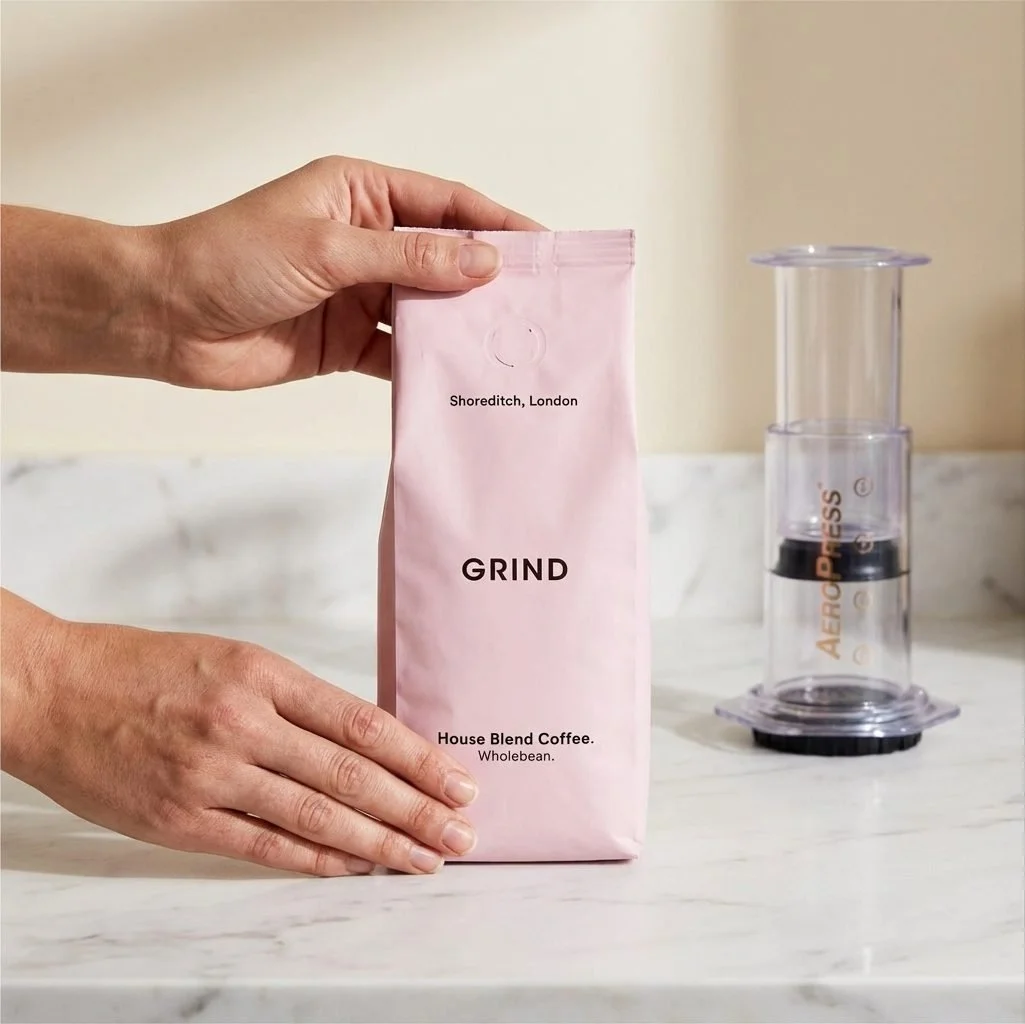
Through the bean-to-cup machine, which is where Grind specifically positions this blend, the results were arguably even better. The Dinamica pulled a balanced, creamy shot with a stable crema and that same chocolate-caramel profile amplified by the pressure. Add oat milk and it turns into something dangerously drinkable. One taster wrote "flat white perfection" in his notes before the reveal.
The Dark Blend pods hit differently. Intensity rating of 10 out of 10 on Grind's own scale, and it lives up to that. Bitter dark chocolate, a roasted walnut edge, and a thick, almost syrupy body. It's not subtle, but it's not burnt either. There's control here. A lot of dark roasts at this intensity taste like someone forgot to pull the beans out the roaster. This one keeps its composure.
One friction point. The House Blend pods, at intensity 7, tasted noticeably flatter than the whole bean version of the same blend. The chocolate was still there, but the caramel mid-note vanished and the body felt thinner. Pods always compress the flavour window, but the gap here was wider than I expected. If you're choosing between the tin and the bag, go for the bag.
What We Liked
Bean-to-cup performance is excellent. This blend was clearly developed with automatic machines in mind. The grind tolerance, the crema, the consistency, it all clicked.
Compostable pods with genuine credentials. Home-compostable, plastic-free, aluminium-free, and certified to break down in under six months. If you're using pods, these are among the most responsible options available.
The branding is backed by substance. B Corp status, ocean plastic recovery, the Better Coffee Foundation. It's not greenwashing. The receipts are there.
Accessible flavour profile. You don't need a trained palate to enjoy this. Chocolate, caramel, clean finish. It's crowd-pleasing without being dull.
What Could Be Better
The range lacks complexity. House, Dark, Light, and two decafs. That's it. If you want bright, fruity single origins or washed East African lots with citrus and floral notes, roasters like Origin Coffee or Clifton Coffee are better suited to that kind of exploration. The lineup stays firmly in the chocolate-and-nut comfort zone, which is fine for daily drinking but limits exploration.
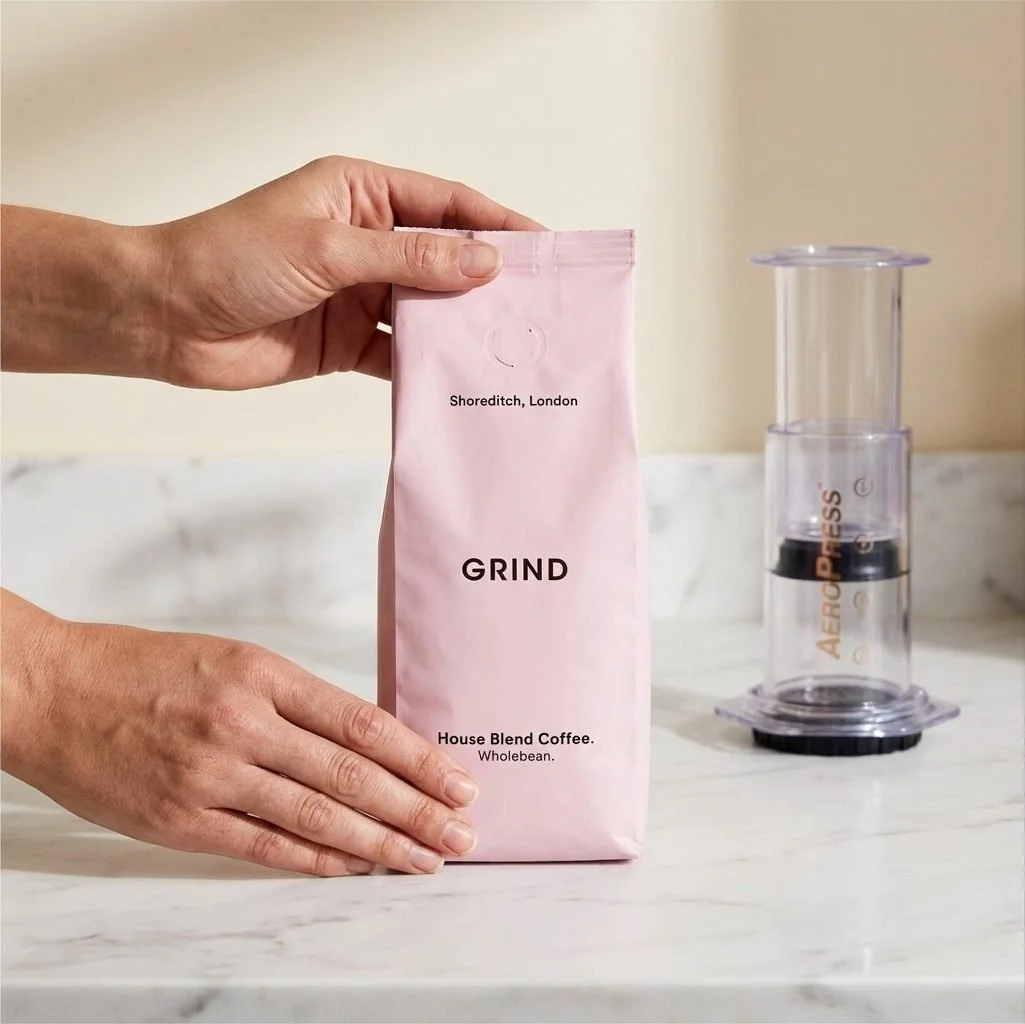
Whole bean pricing also needs scrutiny. The 1kg House Blend bag sits around £24 on Amazon and up to £30 at RRP. For a blend without single-origin traceability or published cupping scores, that's steep compared to independent speciality roasters offering more transparency at the same price.
Value for Money
The pods work out to roughly £0.42 each on subscription (60 pods for £24.95), which is competitive against Nespresso's own aluminium capsules and significantly cheaper than most speciality pod brands. The whole beans and ground coffee are harder to justify. At around £24 per kilo bag, you're paying a premium that feels driven partly by brand cachet rather than bean quality alone. Compared to Balance Coffee, which offers lab-tested purity at a similar price, or Assembly Coffee, which provides full farm-level traceability, Grind sits in a slightly awkward middle ground: more expensive than supermarket, less transparent than speciality.
The Verdict
Grind surprised me. I walked into this review expecting all style, no substance, and that's not what we found. The House Blend is a genuinely enjoyable, well-roasted coffee that performs brilliantly through bean-to-cup machines. The compostable pods are a real achievement in sustainable packaging. The brand's environmental commitments are legitimate, documented, and worth supporting.
It's not going to satisfy hardcore speciality drinkers chasing complex flavour profiles or full supply chain transparency - for that, see our Square Mile Coffee review or Volcano Coffee Works review. The range is narrow and the pods don't quite capture what the whole beans deliver. But for anyone who wants a reliable, good-tasting daily coffee from a brand that's genuinely trying to do right by the planet, Grind earns its place.
I went in sceptical. I came out drinking a second cup. That says enough.
Looking for something different? If you want lab-tested purity and organic certification, Balance Coffee offers both at a comparable price point to Grind whole beans. Use code JOURNAL for 20% off.
FAQs
Frequently Asked Questions
Is Grind coffee speciality grade?
Are Grind coffee pods really compostable?
Is Grind a B Corp?
How much does Grind coffee cost?
How does Grind compare to other UK coffee brands?
What machines are Grind pods compatible with?
Does Grind do decaf?
Is Grind coffee strong?
Related Guides
- 10 Best Organic Coffee Pods 2026: Ranked for Purity, Sustainability and Flavour
- 11 Best Nespresso Capsules 2026 - Tried, Tested and Ranked by Coffee Expert
- Best 19 Coffee Roasters in London (2026) - Visited and Reviewed
- 6 Best Compostable Coffee Pods UK 2026 - Tested and Ranked
- Best Decaf Coffee Pods UK 2026 - 7 Tested and Ranked
- Best Eco-Friendly Coffee Pods UK 2026 - Tested and Ranked
- Top 10 Best Organic Coffee Beans 2026
A wellness entrepreneur and biohacker, James explores the intersection of hospitality and health - from clean fuel and recovery tools to mindful routines that build balance into daily life.
Where Grind Gets Featured
| Article | Ranking | Best For |
|---|---|---|
| Best Decaf Coffee Pods | #1 | Decaf House Blend |
| Best Organic Coffee Pods | #5 | Best for Bold Milk-Based Drinks |
| Best Nespresso Pods Capsules | #6 | Best Overall Home Experience |