Lost Sheep Coffee Review: Tested Across the Full Pod Range (2026)

Coffee & Wellness Writer
Tested across espresso, decaf, and organic. Honest review from someone who sells competing pods.
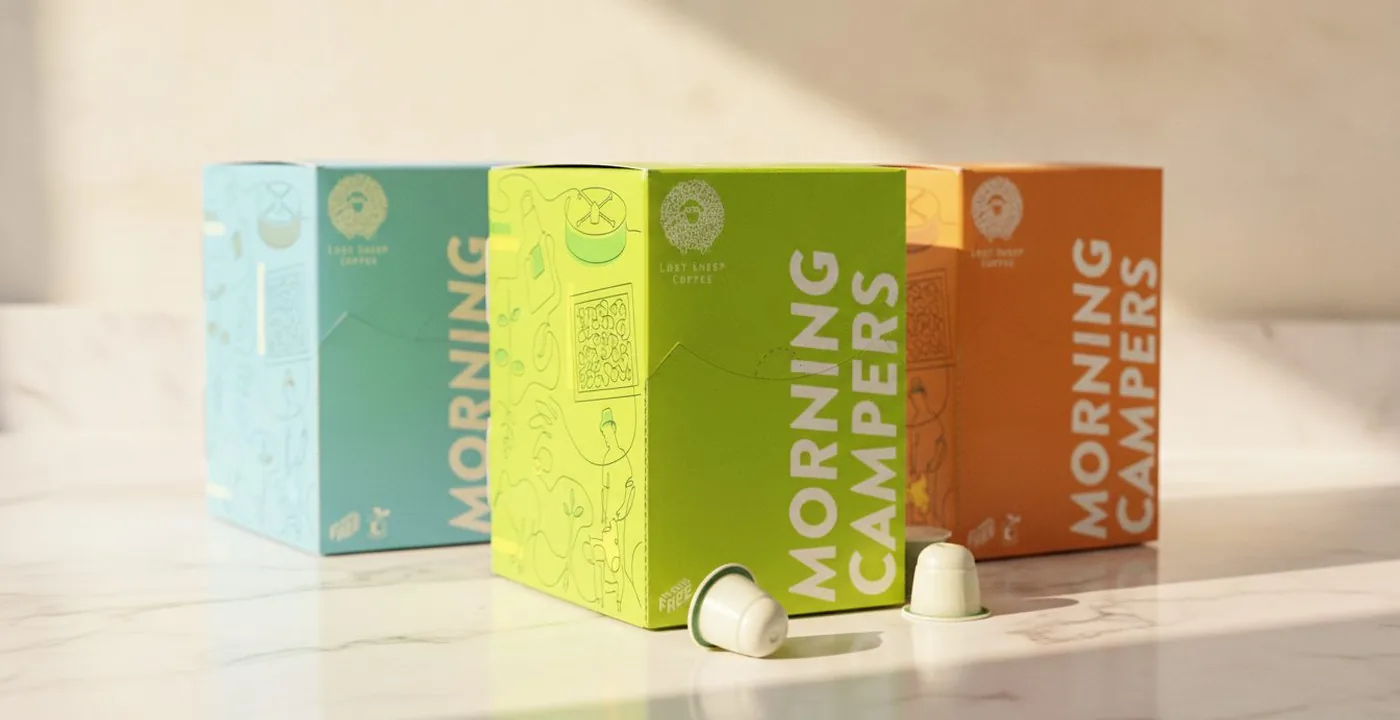
Table of Contents
Some of the links in this article are affiliate links, which help fund our independent review work at no extra cost to you. Every recommendation is based on hands-on testing through The Editor Lab methodology. No brand pays to appear, and no placement is guaranteed.
I used to think compostable pods were a compromise. Not a cynical one - just the practical reality that you were trading flavour for conscience, the way early organic produce sometimes traded taste for ethics. Then Balance Coffee's own pod development sent me through a systematic tasting of the entire compostable pod market, and I found a few that genuinely changed my view.
Lost Sheep Coffee was one of them. Lost Sheep pods are genuinely specialty-grade, and this is my full review after testing across their espresso, decaf, and organic lines. Tested through the lens of someone who sells pods himself and has no interest in flattering a competitor.
During Balance Coffee's pod R&D, I tasted dozens of competitor pods at the formulation level - benchmarking crema, body, sourcing, and value against the field I was building into. Lost Sheep came up repeatedly. When the time came to write this review for Balance Journal, I already had a starting point: cautious respect and a lot of unresolved questions about the compostability claims.
The short version: the coffee is genuinely good. The compostability story is more complicated than the packaging suggests.
Editor's Note
The Verdict in 30 Seconds
Lost Sheep Coffee pods deliver specialty-grade espresso at a price that sits honestly between supermarket pods and top-tier specialty options. The compostable credentials are real but come with conditions most marketing materials skip. If you want excellent coffee and your environmental values matter to you, they are worth the premium - provided you understand what "compostable" actually means for your household.
| Score | 8.5/10 |
| Price per pod | From £0.70 (as of June 2026, lostsheepcoffee.com) |
| Best for | Eco-conscious pod drinkers who want genuine speciality-grade coffee |
| Skip if | Your budget ceiling is below 60p per pod, or you have a Nespresso Vertuo machine |
| Nespresso compatible | Original Line only |
Who Are Lost Sheep Coffee?
Lost Sheep Coffee is a Whitstable and Canterbury, Kent-based roastery founded by Stuart Wilson. The brand has been operating since 2012, when it launched from a micro-van, and now runs a cafe and roastery in Canterbury selling pods, beans, and ground coffee direct and through Amazon UK. They were among the early UK roasters to develop compostable pod formats for the Nespresso Original system.
Their positioning sits firmly in the speciality coffee camp: small-batch roasting, seasonal single-origin offerings, and a sourcing philosophy that starts with beans rather than with packaging. You will not find Lost Sheep trying to position themselves as a lifestyle brand. They are, first and last, a roastery - and the pods are an extension of that.
That distinction matters for this review. A roastery that starts with beans and works backward to the pod format tends to make better pods than a brand that starts with a pod concept and works backward to sourcing. Lost Sheep are the former, and it shows in the cup.
The Range: What I Tested
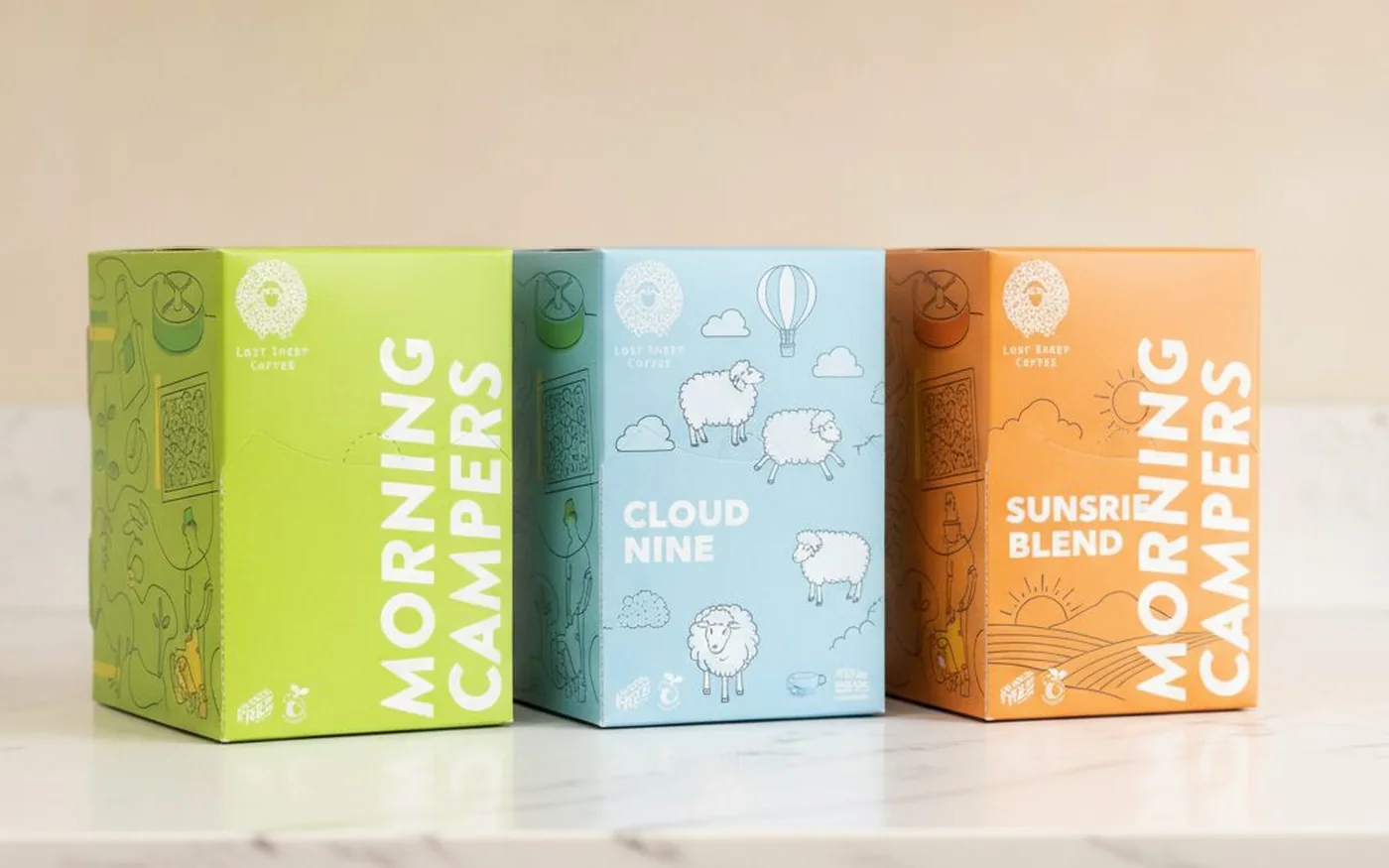
Lost Sheep produce several pod lines for the Nespresso Original system. For this review, I tested three: the core espresso blend (medium roast), the decaf, and the Soil Association organic pods (a seasonal single-origin rotation from Latin America at time of testing).
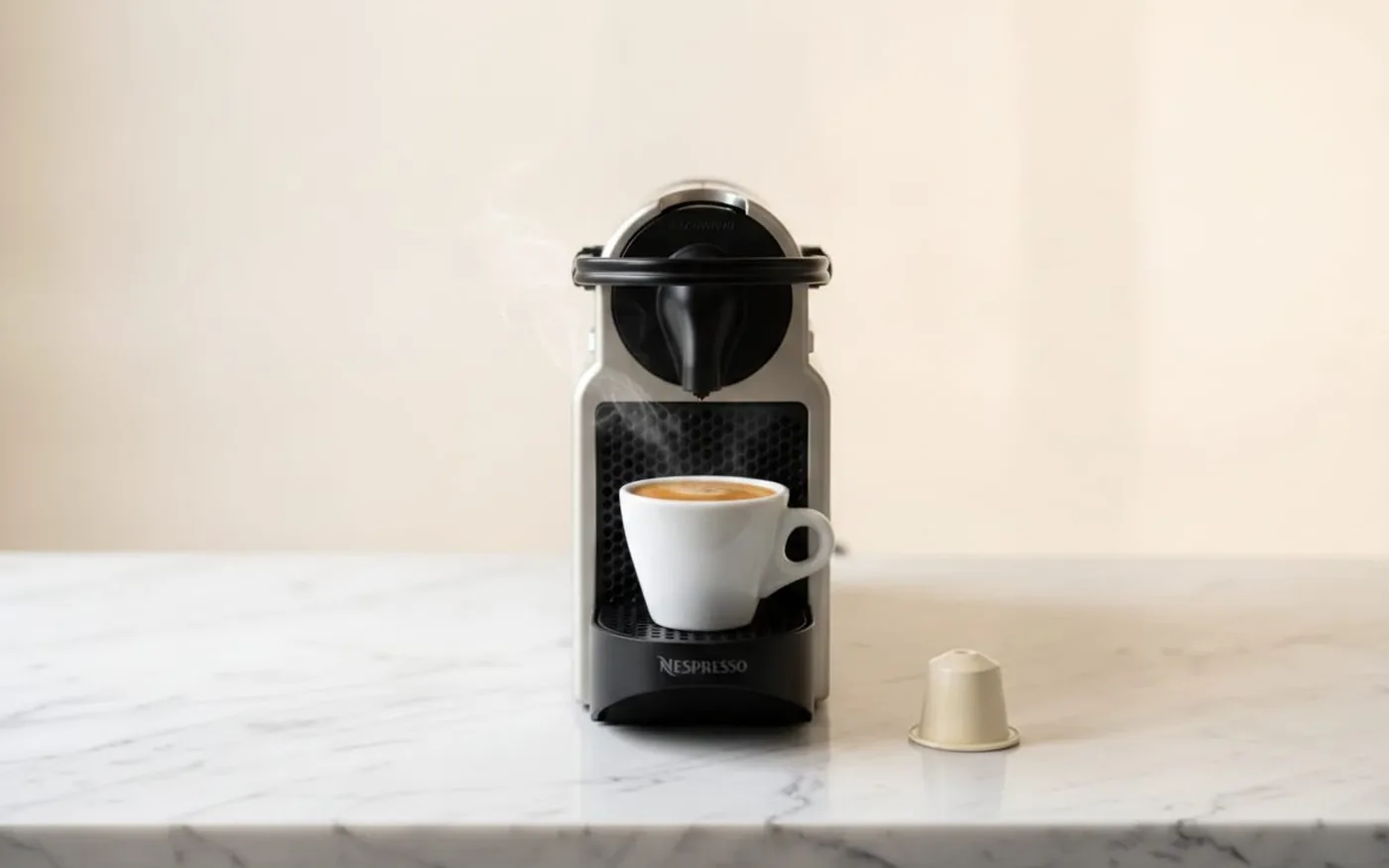
All three are Nespresso Original Line compatible. They are not compatible with Nespresso Vertuo machines - the pod format is fundamentally different, and Lost Sheep do not produce a Vertuo-format capsule as of June 2026. If you have a Vertuo machine, these pods are not an option for you.
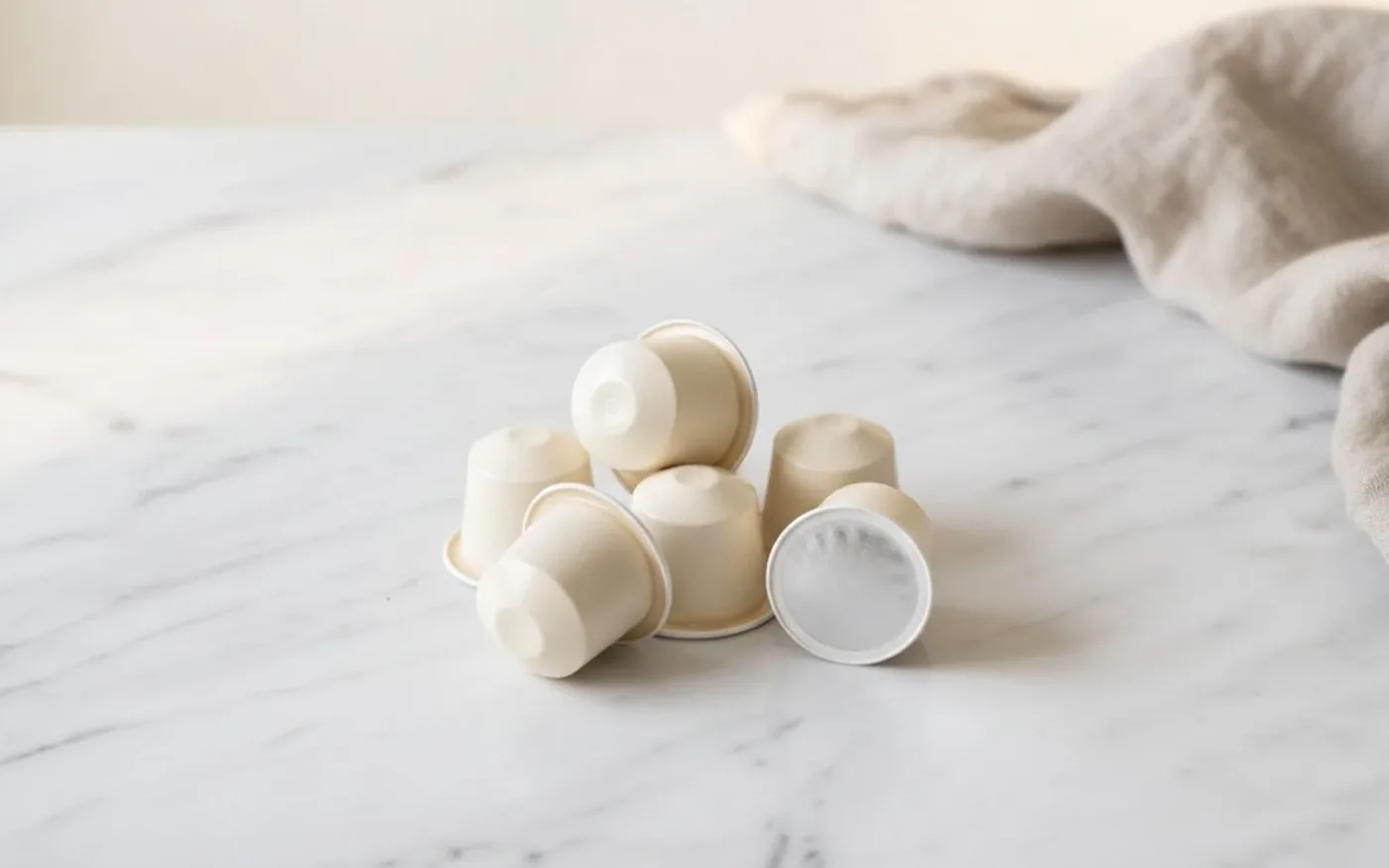
The pods are made from a plant-based material certified compostable under TUV Austria's OK compost HOME standard - the specifics of which I cover in detail below, because the certification type matters more than most pod reviews acknowledge.
I tested all three blends on a Nespresso Essenza Mini, cross-checked the espresso pods on a Nespresso Pixie, and brewed each pod at the standard espresso volume and at lungo. Machine-to-machine variation on Original Line machines is minimal enough to treat results as diagnostic.
How I Tested
The testing methodology follows the Balance Journal Editor Lab framework, which I run for all coffee pod reviews on this site.
For each blend, I brewed five shots on separate days at a consistent water temperature and tasted blind against Nespresso original capsules at equivalent intensity levels. I also ran a live price check on lostsheepcoffee.com and Amazon UK for the pricing table below.
Scoring covers five dimensions: crema quality, aroma, body, flavour complexity, and finish. Flavour complexity carries the highest weight (30%) and crema the lowest (10%), because crema is the least reliable indicator of coffee quality and is too often used as a proxy for it.
Taste Test: Crema, Body, and Flavour
The Espresso Pods
The espresso blend is where Lost Sheep earns its reputation. The crema is medium-density and consistent - not the theatrical foam from a pressurised capsule designed to look good rather than taste good, but a proper extraction-quality crema that dissipates at the right rate.
On the nose: dark chocolate and toasted grain. Nothing as dramatic as a washed Ethiopian, nothing as blunt as a commercial blend. It sits in the territory of a well-sourced Guatemalan or Brazilian medium.
Through the body: rounded, with a fig sweetness and a hint of dried fruit that becomes more distinct as the shot cools. The mid-palate is fuller than I expected for a compostable pod format - there is genuine extraction here, not just hot brown water with foam on top.
The finish is clean and slightly shorter than I want from an espresso, but it does not linger into bitterness. At the lungo setting, the fruit notes open up and the finish extends noticeably. If you drink lungo over espresso, this pod performs better at the longer extraction volume.
Blind comparison against Nespresso Ispirazione Ristretto: Lost Sheep has more complexity and a cleaner finish. Nespresso has more immediate intensity and a heavier body. Depending on your preference, either could win - but Lost Sheep is not a sacrifice in quality terms.
Espresso pod score: 8.5/10
The Decaf Pods
Lost Sheep's decaf holds up better than most in this pod format. The crema is thinner than the espresso blend - this is standard for decaf pods regardless of producer, because decaffeination affects the oils that contribute to crema formation.
Aroma: milk chocolate and mild wood. Body: medium, with less sweetness than the espresso but more structure than most decaf pods in this price range. Finish: moderate and clean, with no sour note. The absence of sourness is the most important thing - it is the first indicator of cheap decaffeination chemistry, and Lost Sheep avoids it.
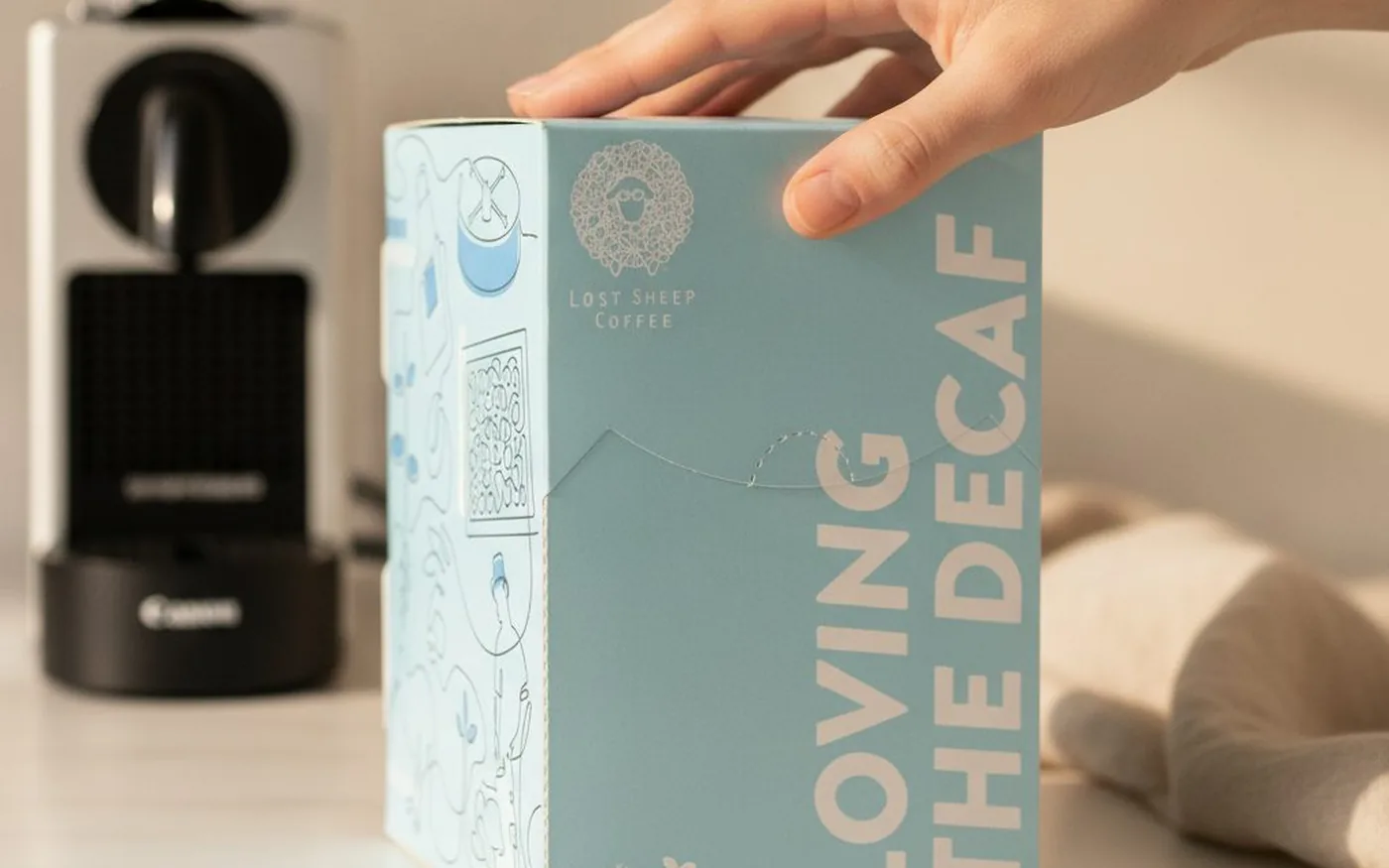
If you are looking for the best decaf coffee pods in the Nespresso Original format, Lost Sheep deserves serious consideration. It is one of the cleaner options available.
Decaf pod score: 8/10
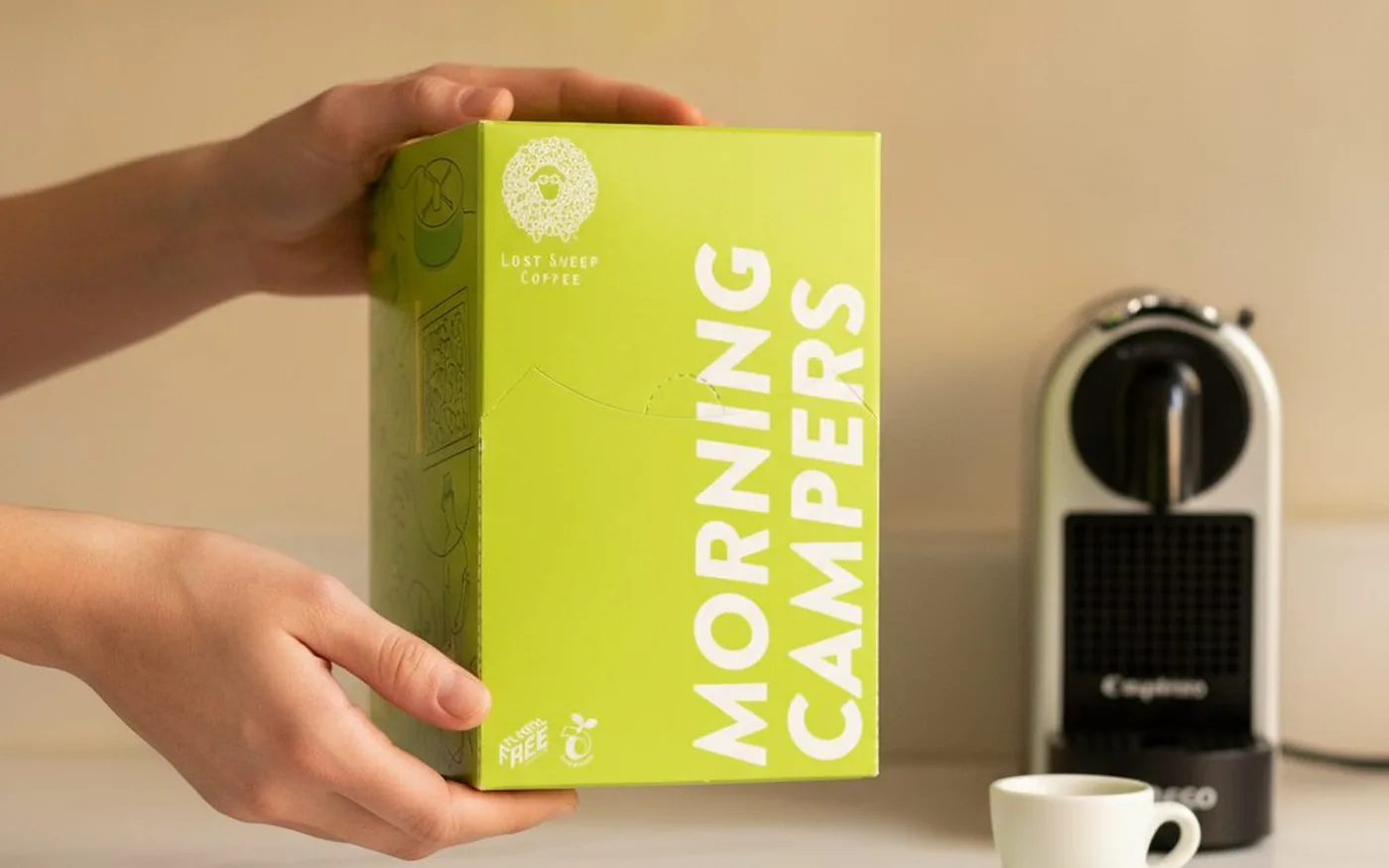
The Organic Pods
The organic line is a seasonal rotation - the specific origin changes, so your experience may differ from mine. At time of testing, these were a medium roast single-origin from Latin America.
Crema: light to medium. Aroma: clean brown-sugar sweetness with a mild floral note. Body: lighter than the espresso blend, more filter-coffee in character. Finish: clean and short. This is the most delicate of the three blends - it suits lungo better than espresso extraction, and it will suit drinkers who find the standard espresso blend too intense.
The organic certification is from the Soil Association. I verified this against the Soil Association's public certification database at soilassociation.org as of June 2026.
Organic pod score: 7.5/10
Do the Compostable Claims Stack Up?
This is the section most pod reviews skip, and it is the one that matters most if environmental credentials are driving your decision.
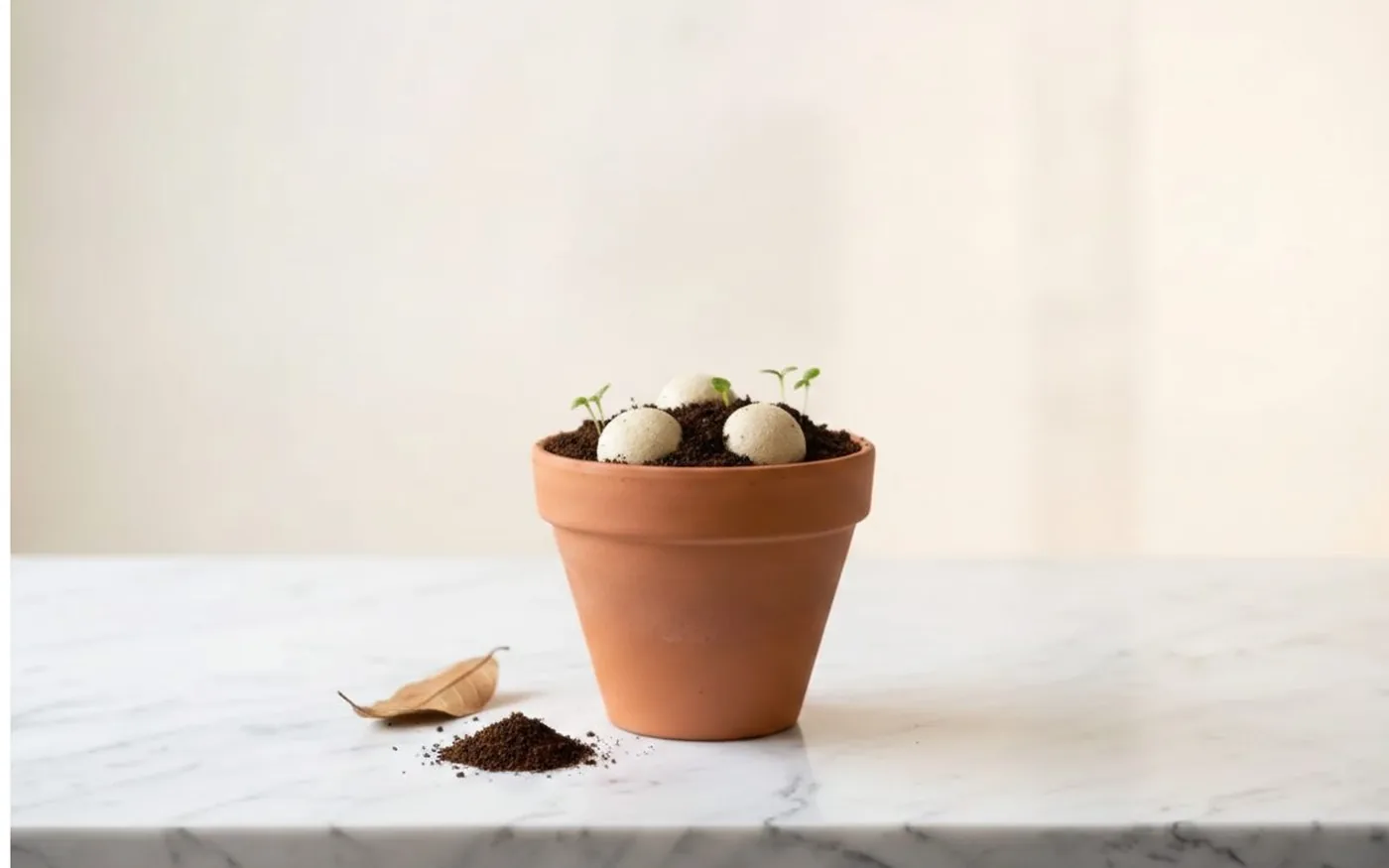
Lost Sheep's pods carry TUV Austria's OK compost HOME certification. This is the stronger of the two compostable certification tiers - and it matters for how you actually dispose of the pods.
OK compost HOME means the pods are independently verified to break down in a standard garden compost bin, not just in commercial composting facilities operating at high temperatures. This is a real certification issued by TUV Austria - you can verify it directly at tuv-at.be/green-marks.
What this means in practice: you can put Lost Sheep pods directly into your garden compost heap and they will break down. You do not need a council food-waste collection service or an industrial composting facility to get the environmental benefit. For most UK households, that is a genuinely usable waste stream.
WRAP has documented that compostable packaging only delivers its environmental benefit when it reaches the correct waste stream. With home compostable certification, Lost Sheep have made that barrier as low as it can be for pod packaging.
My verdict on the compostability claim: Real, independently certified, and practically usable for most households with access to a garden compost bin or council food-waste collection. This is a credible environmental credential, not a greenwash qualification.
Price Per Pod: Worth It?
Prices as of June 2026 from lostsheepcoffee.com and Amazon UK:
| Pod | Price per box | Pods per box | Price per pod |
|---|---|---|---|
| Lost Sheep Espresso | £13.99 | 20 | £0.70 |
| Lost Sheep Decaf | £13.99 | 20 | £0.70 |
| Lost Sheep Organic | £14.99 | 20 | £0.75 |
| Halo Coffee Pods | £11.99 | 20 | £0.60 |
| CafePod Espresso | £5.00 | 10 | £0.50 |
| Nespresso Ispirazione Ristretto | £6.50 | 10 | £0.65 |
| Supermarket own-brand (Sainsbury's, Waitrose) | £3.50 | 10 | £0.35 |
For a household drinking two pods per day, the annual cost at each tier:
- Supermarket own-brand: around £255/year
- CafePod: around £365/year
- Halo Coffee: around £438/year
- Nespresso original: around £474/year
- Lost Sheep Espresso: around £511/year
The premium over Nespresso original capsules is roughly £37 per year for a two-cup-a-day household. That is the honest number - the cost of a few takeaway coffees. The premium over supermarket pods is more significant at around £256 per year. If budget is the primary driver, Lost Sheep is not the pod for you. If flavour quality and environmental credentials matter enough to justify the gap, the coffee earns it.
Lost Sheep vs Halo vs CafePod
| Criterion | Lost Sheep | Halo Coffee | CafePod |
|---|---|---|---|
| Compostable certification | TUV OK compost HOME | TUV OK compost HOME | No compostable range |
| Price per pod | £0.70 | £0.60 | £0.50 |
| Espresso flavour score | 8.5/10 | 8/10 | 7.5/10 |
| Decaf option | Yes | Yes | Yes |
| Soil Association organic | Yes | No | No |
| Vertuo compatible | No | No | No |
Both Lost Sheep and Halo hold TUV OK compost HOME certification - their pods will both break down in a garden compost pile. The meaningful differences are flavour and price: Lost Sheep edges Halo on flavour in my testing - more complexity, cleaner finish - but Halo comes in 10p cheaper per pod. CafePod wins on price but has no compostable range.
For a fuller comparison of the best compostable coffee pods available in the UK, including certification breakdowns and taste rankings across seven brands, see our best compostable coffee pods guide.
For context on how compostable pods compare to aluminium on lifecycle environmental impact, see our aluminium vs compostable pods breakdown.
And if you are comparing across the full Nespresso Original compatible market - including non-compostable specialty options - our best nespresso pods capsules roundup has the full picture. You might also want to review the machine you are using: our best nespresso machine guide covers which Original Line machines extract specialty pods best.
Who Lost Sheep Is Best For
- You want genuine specialty-grade coffee from a small-batch UK roastery
- You want compostable pods you can actually put in your garden compost heap
- You want a decaf option with flavour parity to your morning espresso
- You want Soil Association organic-certified pods
- Your budget ceiling is below 60p per pod and Halo's slightly lower price matters
- You have a Nespresso Vertuo machine
- You prefer very high extraction intensity over flavour nuance
The reader who gets the most from Lost Sheep is exactly who you might expect: an eco-conscious Nespresso Original Line owner who has been tolerating the environmental guilt of aluminium pods and is willing to pay a realistic premium for a brand that has put real thought into both the roasting and the environmental claims. They want excellent coffee and they are prepared to spend five minutes checking their council's waste policy.
Where to Buy
Lost Sheep pods are available direct at lostsheepcoffee.com and via Amazon UK. At the time of writing, they are not stocked in UK supermarkets. The direct route gives you the freshest pods and the most competitive pricing. Amazon UK is convenient if you are already using Prime and want to combine with other purchases.
Frequently Asked Questions
Are Lost Sheep Coffee pods compostable at home?
Yes. Lost Sheep pods carry TUV Austria's OK compost HOME certification, which means they are independently verified to break down in a standard garden compost bin - not just in commercial composting facilities. You can add them directly to your home compost heap. If you do not have a garden compost bin, your council food-waste collection will also accept them. This is one of the stronger environmental credentials available for pod packaging.
Do Lost Sheep pods work in all Nespresso machines?
Lost Sheep pods are compatible with the Nespresso Original Line only - machines including the Essenza, Pixie, Citiz, Lattissima, Creatista, and Expert. They are not compatible with Nespresso Vertuo, which uses a different larger-format pod. If you are unsure which machine you have, check whether your pods have a dome-shaped cap (Vertuo) or a flat foil cap (Original Line).
Is Lost Sheep Coffee strong?
The espresso blend sits at a medium-high intensity - comparable to Nespresso's level 8-9. Flavour complexity is higher than most commercial pods at that intensity, because it is sourced as specialty grade. It is not as intense as Nespresso's darker Ristretto blends but substantially stronger than the Lost Sheep organic pod. If you drink black espresso and prefer intensity with nuance, this pod delivers both.
Where is Lost Sheep Coffee from?
Lost Sheep Coffee is based in Whitstable and Canterbury, Kent. It is an independent UK roastery operating since 2012, not a supermarket own-label or white-label operation. Coffee is roasted at their Canterbury facility and sourced from specialty-grade farms internationally. The organic line is certified by the Soil Association, which requires third-party verification of the supply chain back to farm level.
Are compostable pods better than aluminium?
Compostable pods have a lower carbon footprint when correctly composted at industrial facilities. Aluminium is infinitely recyclable but has high production energy costs and low UK pod recycling rates. Neither format is problem-free. Compostable pods are the better environmental choice if your waste routing is correct. If your waste goes to general landfill, aluminium with verified recycling through a scheme like Podback is arguably the cleaner option.
How much do Lost Sheep pods cost per cup?
Lost Sheep espresso and decaf pods cost around £0.70 per pod direct from lostsheepcoffee.com (as of June 2026). The organic line costs around £0.75 per pod. For a household brewing two pods per day, that is roughly £511-548 per year versus around £255 for supermarket own-brand Nespresso-compatible pods. The premium is real and meaningful for budget-conscious households.
Do Lost Sheep do decaf pods?
Yes - Lost Sheep produce a Nespresso Original compatible decaf pod. It scored 8/10 in my testing, one of the stronger decaf options in this format. Crema is thinner than the espresso blend, which is normal for decaf pods regardless of producer, but body and finish hold up well for afternoon drinking. No sourness, which is the most common failure mode in lower-quality decaf pods.
Are the Lost Sheep organic pods certified?
Lost Sheep Coffee's organic pods carry Soil Association certification, verified against the Soil Association's public database as of June 2026. This requires third-party auditing of the supply chain back to farm level. The pods are also home compostable (TUV Austria OK compost HOME certified). If you want both organic sourcing and home compostable packaging in a Nespresso Original compatible pod, Lost Sheep is currently one of very few brands offering both.
Final Verdict and Score
Lost Sheep Coffee is doing what a good specialty roastery should do: starting with beans and working backward to the pod. The result is one of the better compostable pod experiences on the UK market in 2026 - genuine specialty-grade flavour, honest pricing for what you are getting, and real environmental certification that rewards consumers who understand the conditions it requires.
The compostability credentials are genuinely strong: TUV Austria OK compost HOME certification means these pods will break down in your garden compost heap, not just at an industrial facility. That is a real environmental claim, not a conditional one.
If you are an eco-conscious Nespresso Original Line owner looking for specialty-grade pods from a real UK roastery, Lost Sheep deserves to be on your shortlist. On flavour they edge Halo; on price Halo edges them. Both hold home compostable certification. Both are worth trying. Neither is a compromise.
Overall score: 8.5/10
A wellness entrepreneur and biohacker, James explores the intersection of hospitality and health - from clean fuel and recovery tools to mindful routines that build balance into daily life.