Workshop Coffee Review - Is It Worth It?

Coffee & Wellness Writer
Workshop roasts lighter than most UK competitors. If you like bright, clean cups, this is your shortlist. If not, steer clear.
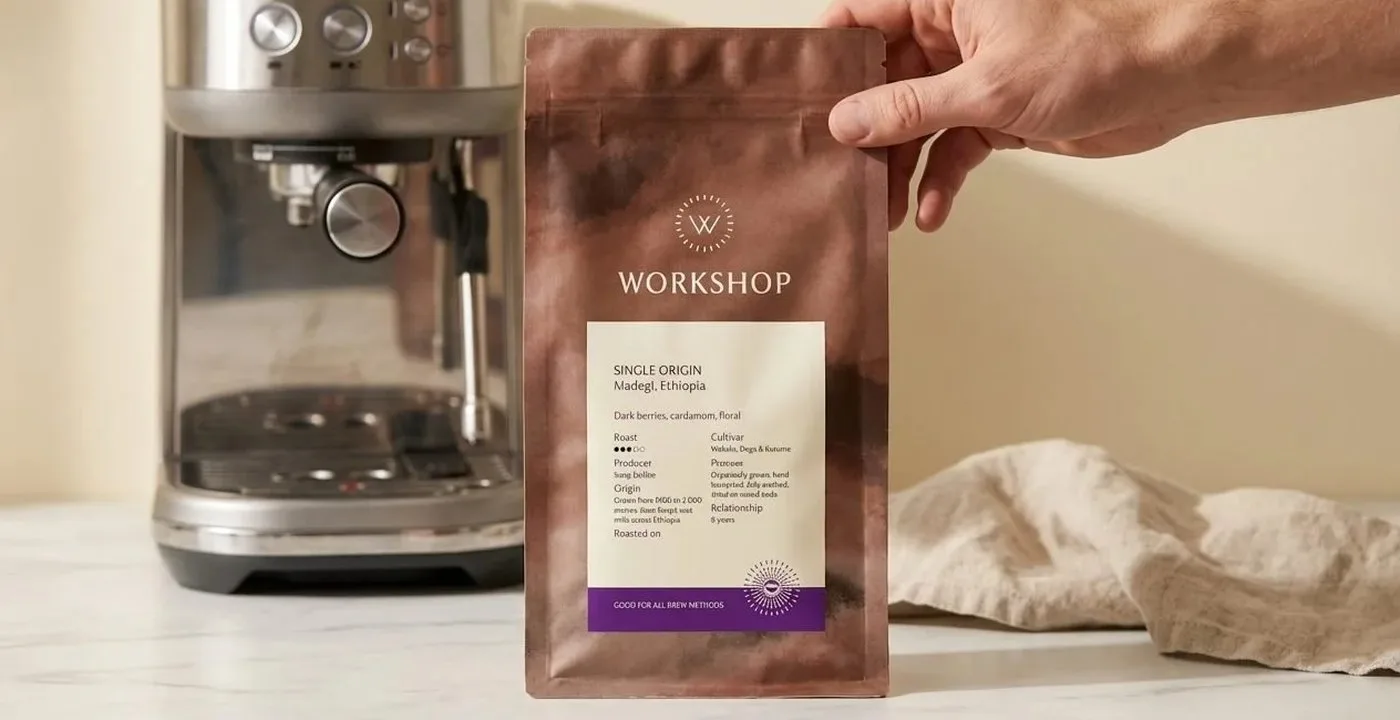
Table of Contents
Some of the links in this article are affiliate links, which help fund our independent review work at no extra cost to you. Every recommendation is based on hands-on testing through The Editor Lab methodology. No brand pays to appear, and no placement is guaranteed.
The Brand
Workshop Coffee was founded in 2011 by James Dickson, opening its first site on Clerkenwell Road with a 12kg Probat roaster in the back of the space. The connection to Melbourne's St Ali coffee gave Workshop an Australian DNA from day one, and that influence shaped everything from the roasting approach to the cafe culture they built around it.
The Clerkenwell flagship closed in 2017, and the brand has since repositioned itself. The current cafe and training academy on Eccleston Street in Belgravia represents Workshop's newer direction, combining a retail coffee experience with hands-on learning for both consumers and trade professionals. A second cafe operates on the ground floor of Amazon's London headquarters in Holborn.
Workshop's wholesale business has grown significantly, supplying high-end hotels, restaurants, and offices across London. The launch of a staff training academy signals an ambition that extends beyond simply selling beans. They want to raise the standard of how coffee is prepared and served at the point of delivery, not just at the roastery.
The brand's journey from a single cafe in Clerkenwell to a multi-site operation with a training arm is not unusual in London's speciality coffee scene. What sets Workshop apart is the consistency. The beans have remained at a high level through every transition.
The Coffee
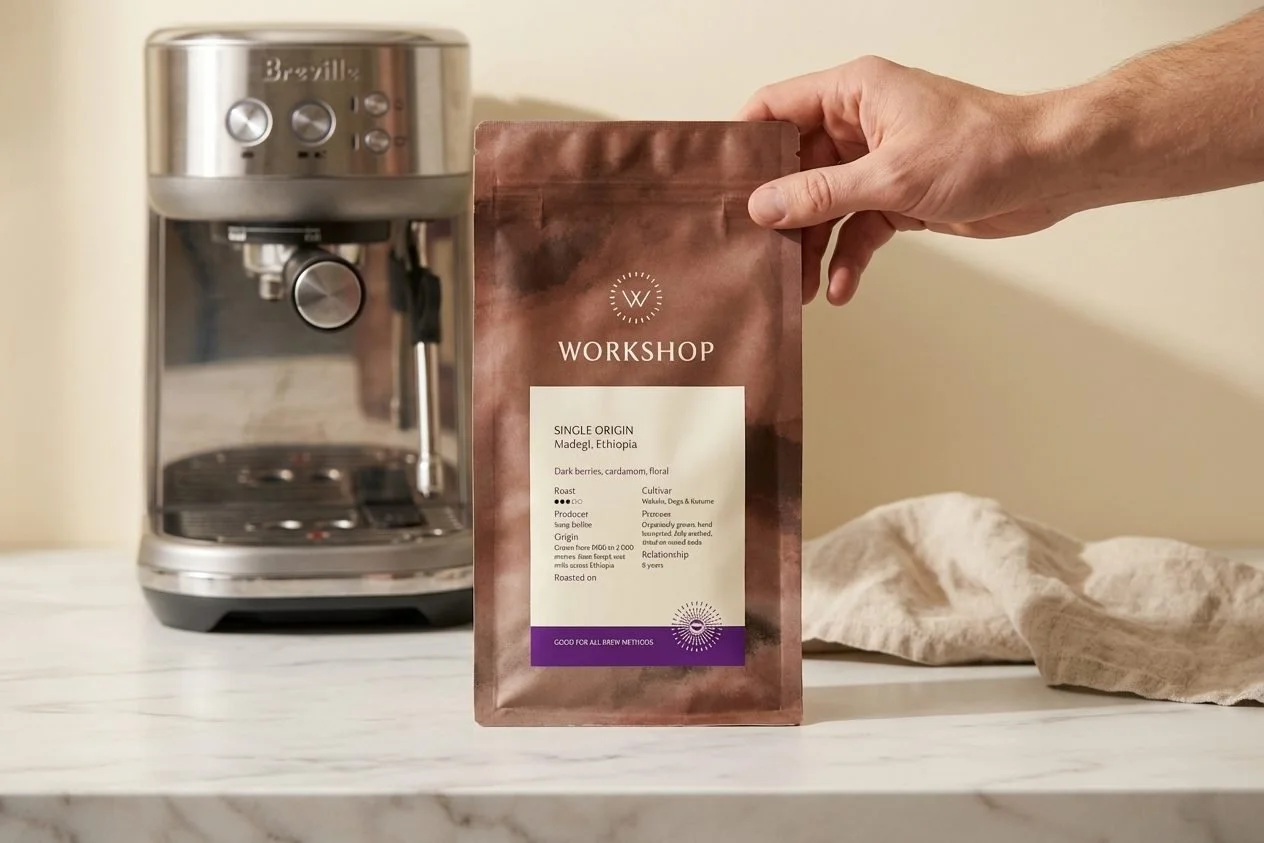
Workshop roasts a rotating seasonal range of single origin coffees, sourced directly from farms and cooperatives across the coffee belt. They do not maintain a permanent house blend in the traditional sense. Instead, the espresso offering changes as seasonal coffees rotate in and out.
This approach means the coffee you buy in January will taste different from the coffee you buy in June. For some buyers, that is the appeal. For others who want a consistent daily cup, it requires trust that Workshop will get the roasting right regardless of what is in the hopper.
The espresso I tested delivered stone fruit and milk chocolate on the nose, a medium body with honey sweetness and a gentle acidity, and a clean, tapering finish. It was precise. Not showy, not safe. Just well-roasted coffee that tasted exactly like it was supposed to.
Their filter offerings are lighter, brighter, and more expressive. A washed Ethiopian showed jasmine and lemon curd with a delicate, tea-like body. A Costa Rican honey process brought papaya and brown sugar with more weight and a lingering sweetness on the finish.
Pricing is at the upper end of the speciality market, typically £10 to £14 for 250g. The quality is there, but you are paying for the sourcing and the roasting precision, not for volume.
The Experience
The Belgravia cafe on Eccleston Street is a different proposition from the old Clerkenwell space. It is polished, considered, and deliberately positioned as both a cafe and a learning environment. The training academy runs regular courses for home brewers and trade professionals, which adds a layer of depth to the visit.
The Holborn cafe, inside Amazon's headquarters, is more corporate in setting but serves the same coffee to the same standard.
For those who remember the Clerkenwell original, the Belgravia location may feel like a different brand. It is quieter, more refined. But the coffee in the cup tells the same story it always has.
Who It Is For
Workshop is for the coffee drinker who values roasting craft above everything else. If you want consistently excellent beans with transparent sourcing and minimal marketing noise, Workshop delivers. If you are interested in learning more about how coffee works, their training academy adds genuine value. This is not a brand that chases trends. It is a brand that roasts well and trusts that to be enough.
| Evaluation Criteria | Our Findings |
|---|---|
| Full Review | See our Best Coffee Roasters London guide |
| Best For | Precision-roasted seasonal single origins with training academy |
| Flagship Product | Seasonal Single Origin Espresso (250g) |
| Shop | Shop Workshop Coffee → |
Final Thoughts
Workshop Coffee has been part of London's speciality coffee scene since 2011, and the quality of the roasting has not wavered through location changes, business model shifts, and a growing wholesale operation. The seasonal approach to espresso means you are never buying the same coffee twice, which is either a strength or a limitation depending on what you want from a roaster.
If you value craft, transparency, and a brand that lets the coffee do the talking, Workshop belongs on your shortlist.
Part of our guide to the best coffee roasters London and best coffee roasters UK.
A wellness entrepreneur and biohacker, James explores the intersection of hospitality and health - from clean fuel and recovery tools to mindful routines that build balance into daily life.